


Climbing Shoes for Your Style
It’s important to consider your climbing style and where you’ll be using them most of the time. Footwear designed for Outdoor climbing usually has thicker rubber soles to handle natural rock, whereas the rubber in an Indoor climbing shoe is designed to handle plastic footholds. If you plan to do a bit of both, then look for an all-rounder shoe that can handle both environments.
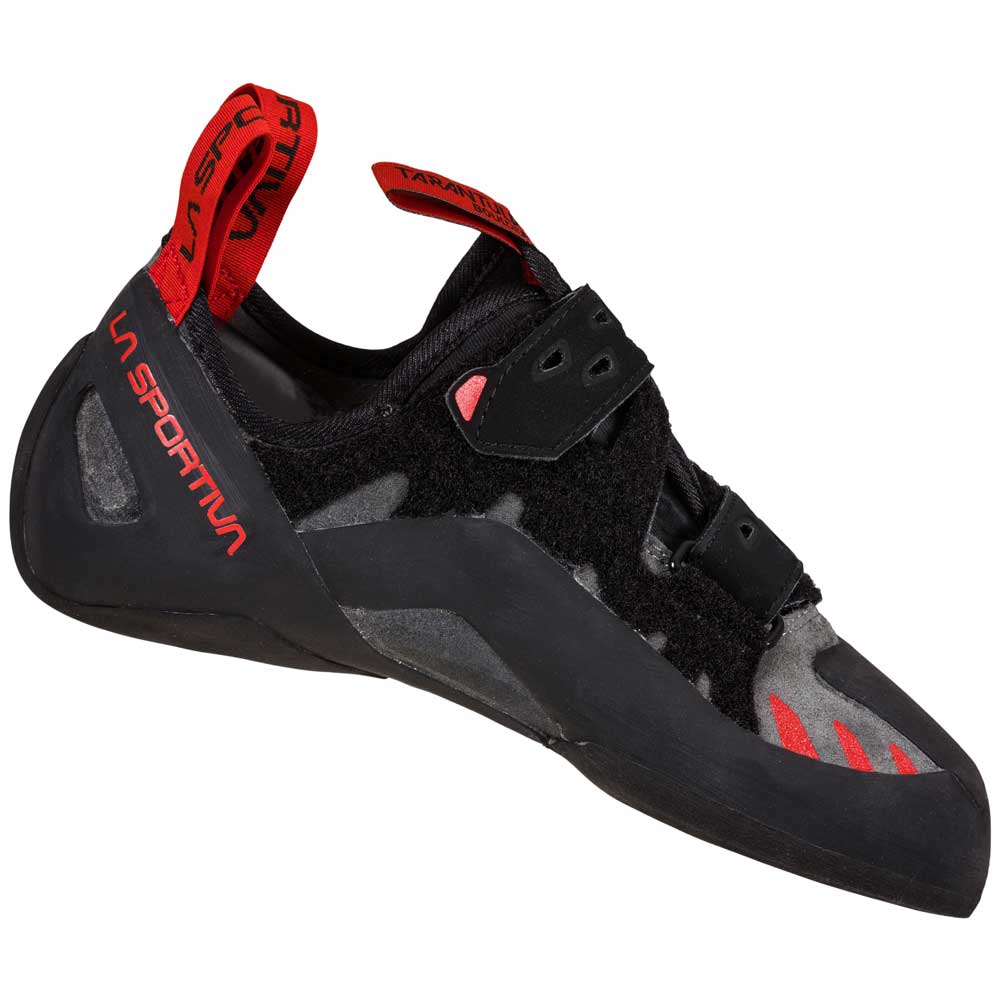
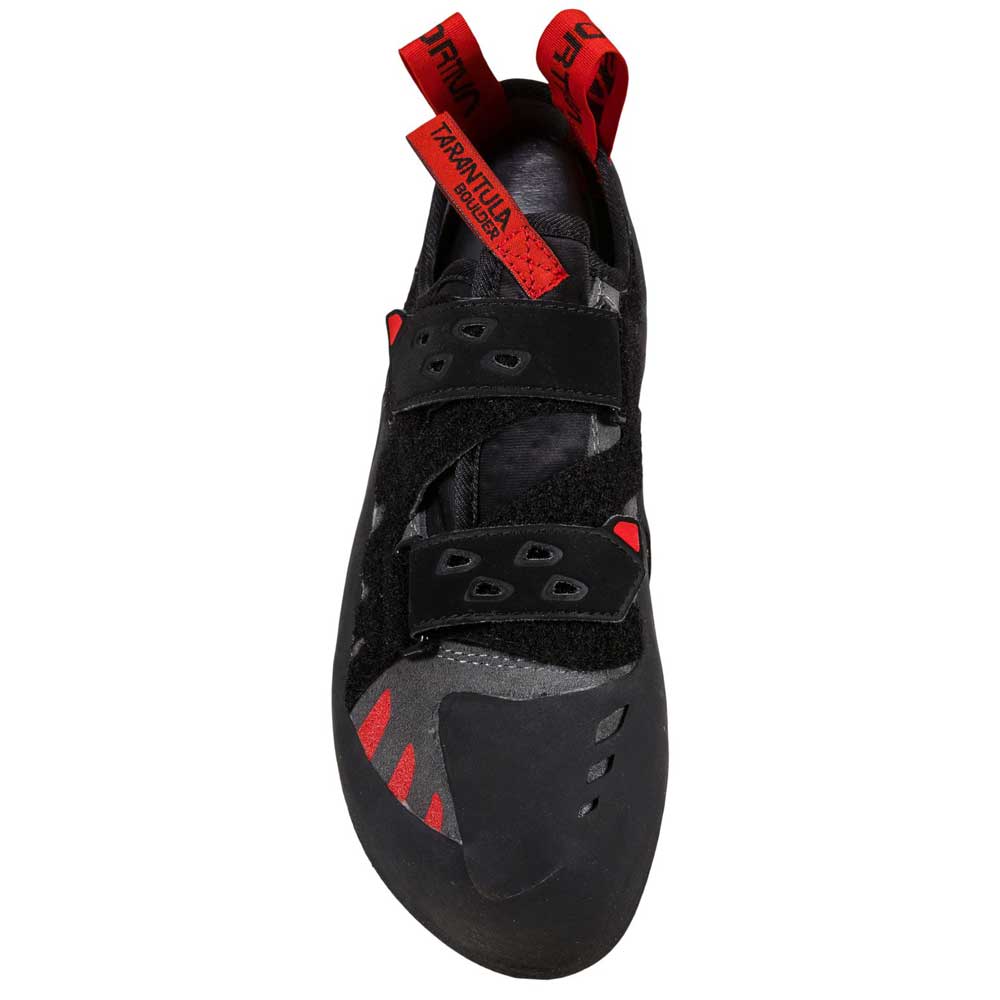
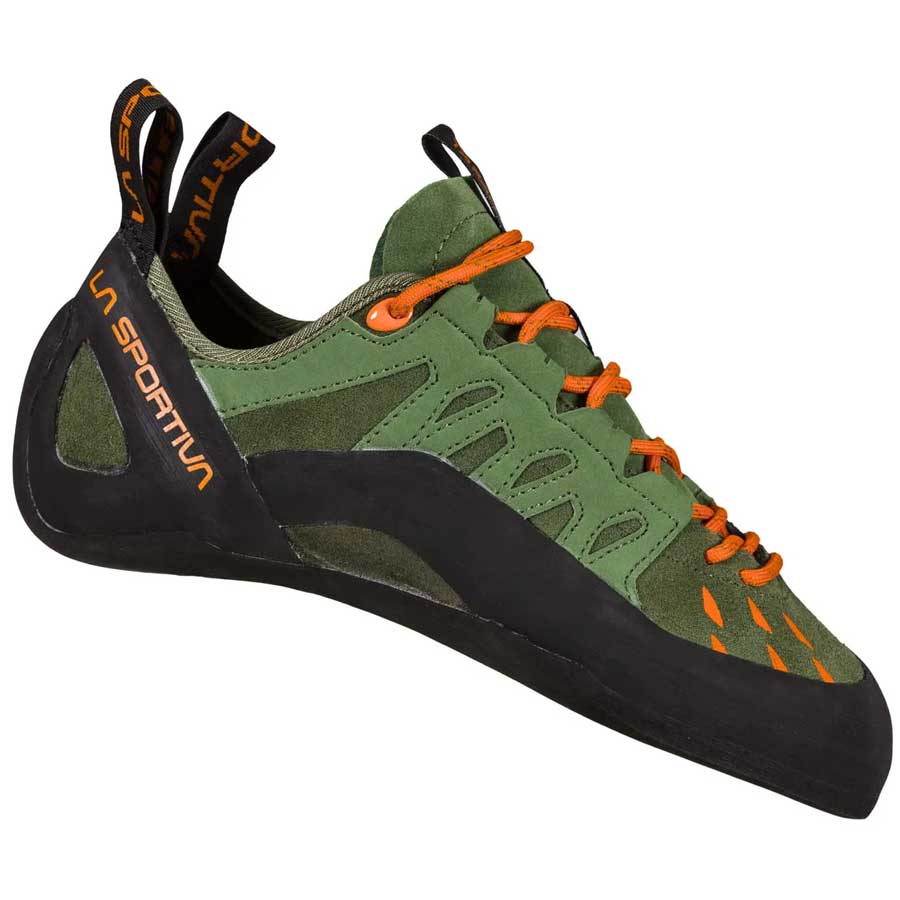
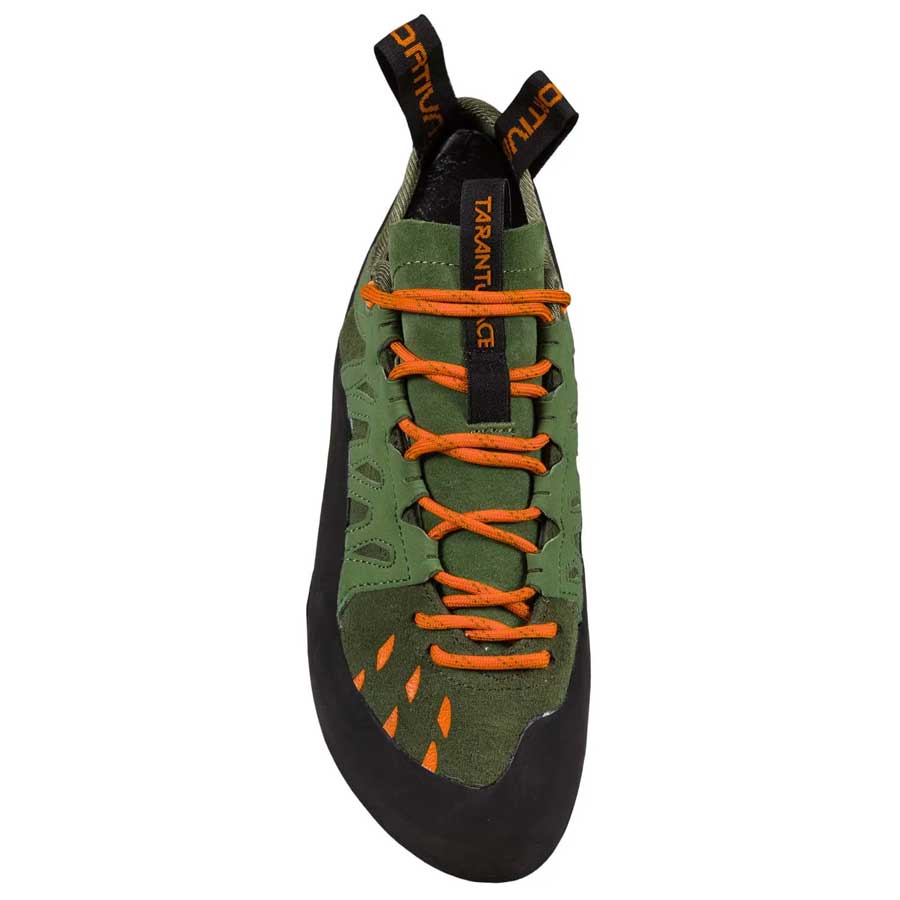
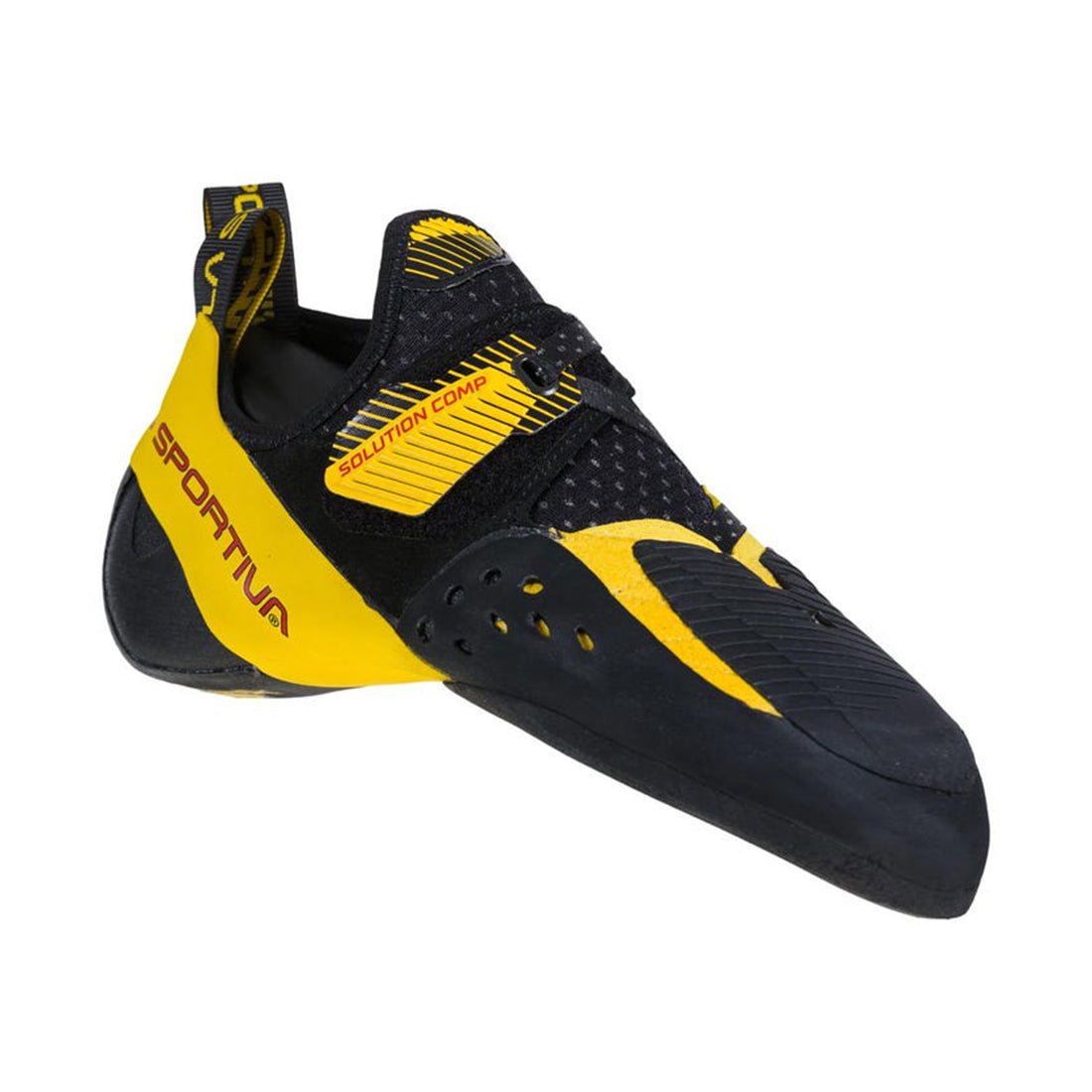
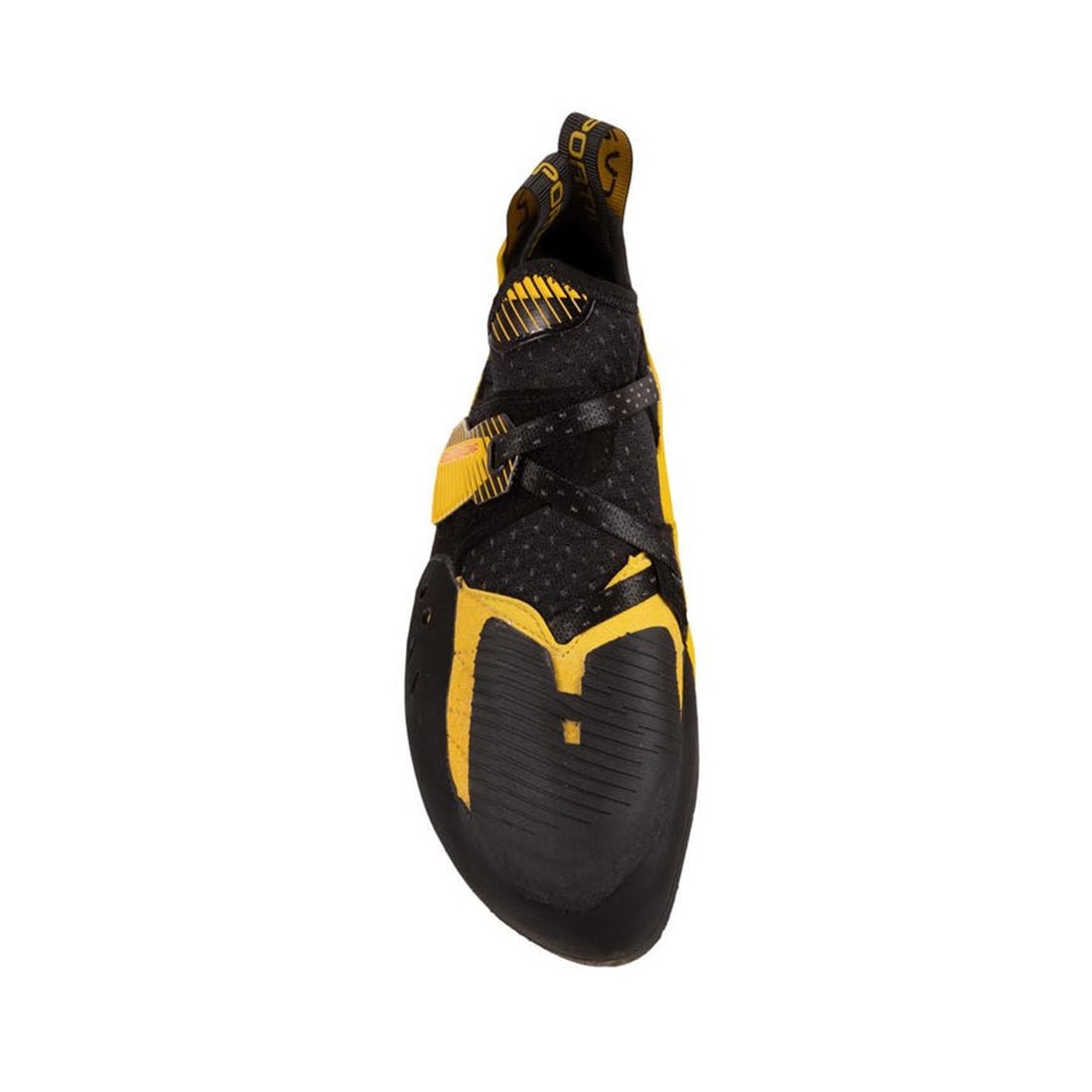
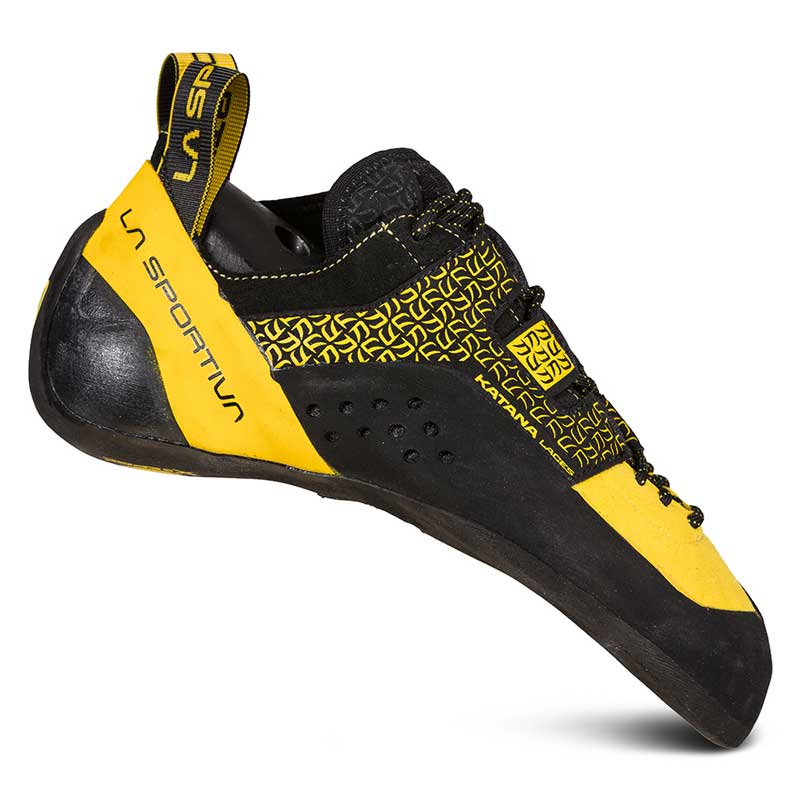
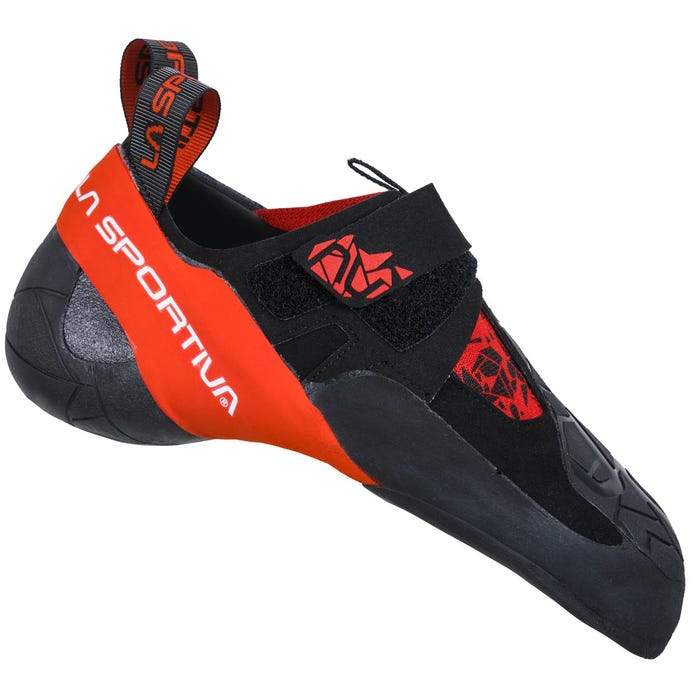
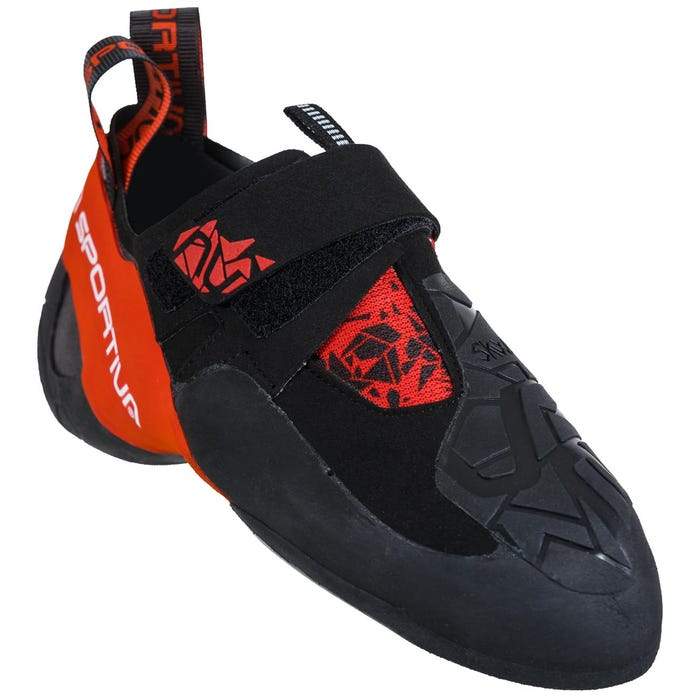
In addition to the climbing setting, you should consider the type of climbing you will be doing, like trad, sport, or bouldering. Generally speaking, Aggressive Shoes feature a downturned shape ideal for steep sport climbing and bouldering problems, while Moderate Shoes offer a more relaxed fit for technical face climbs and all-around use. For long multi-pitch routes or beginner climbers, Neutral Climbing shoes provide all-day comfort without sacrificing grip.
How should climbing shoes fit?
From years of fitting climbing shoes in-store and using them ourselves, we’ve learned that getting the right fit is just as important as choosing the right model. A good climbing shoe should feel snug, secure, and supportive, without being painfully tight.
Ideally, your toes should be lightly bent or just touching the end of the toe box with no empty space. The heel should sit firmly in place without lifting when you stand on small footholds, and there shouldn’t be any gaps that allow your foot to slide inside the shoe. While performance shoes are designed to fit close, you shouldn’t feel sharp pain, numbness, or pressure that forces you to take your shoes off between climbs.
In reality, “snug” feels different depending on the brand, model, and how you like to climb. Some people prefer a tighter, more precise fit, while others prioritise comfort for longer sessions. Based on our hands-on experience, here’s how the main brands usually fit.
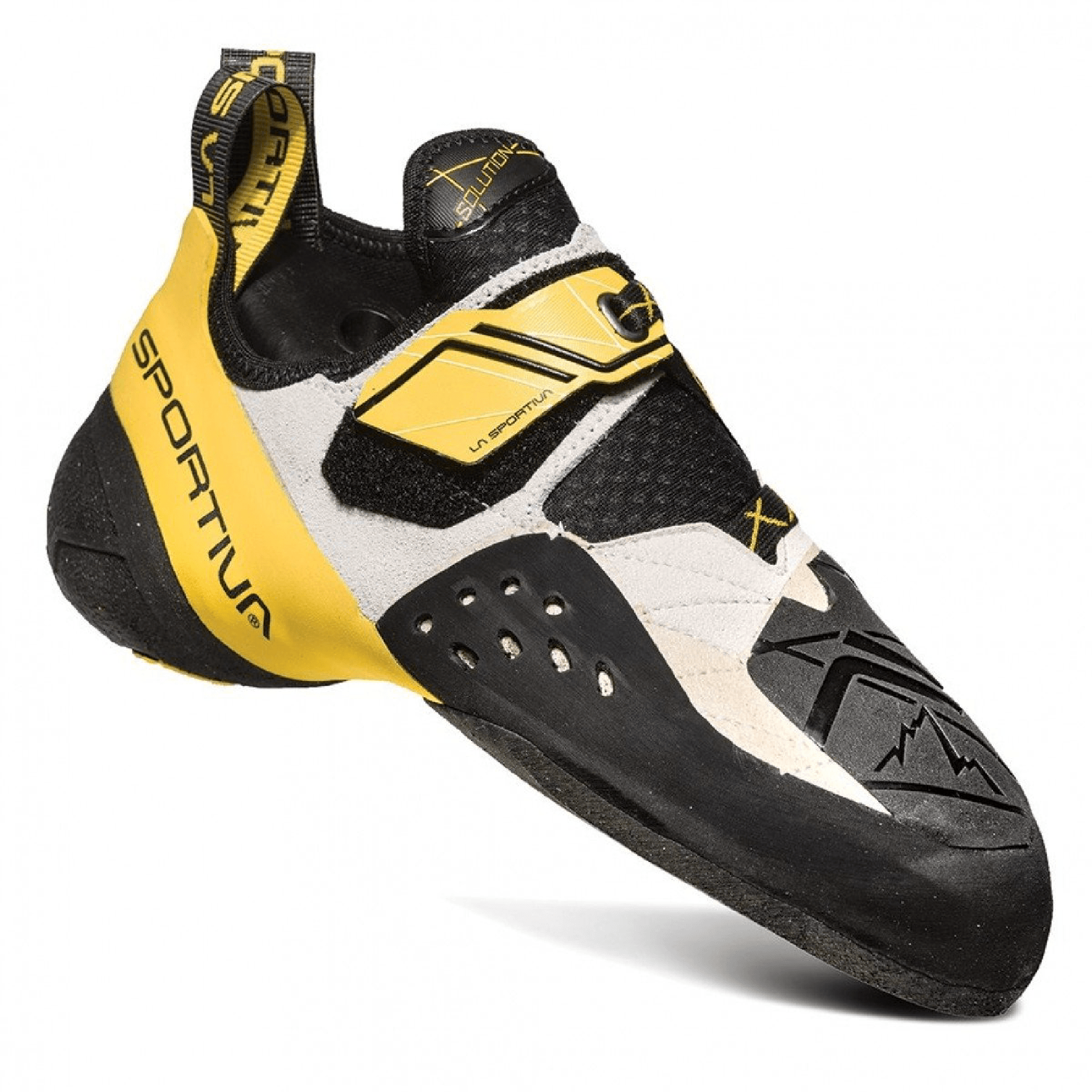
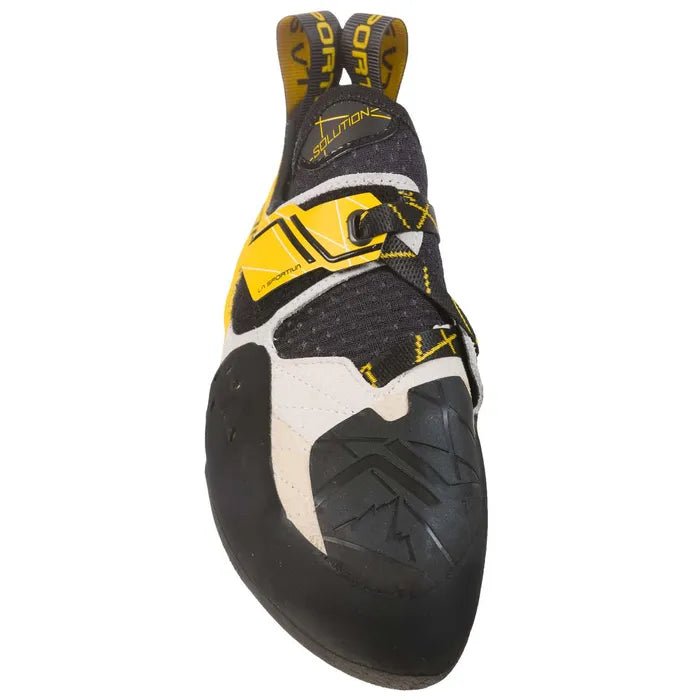
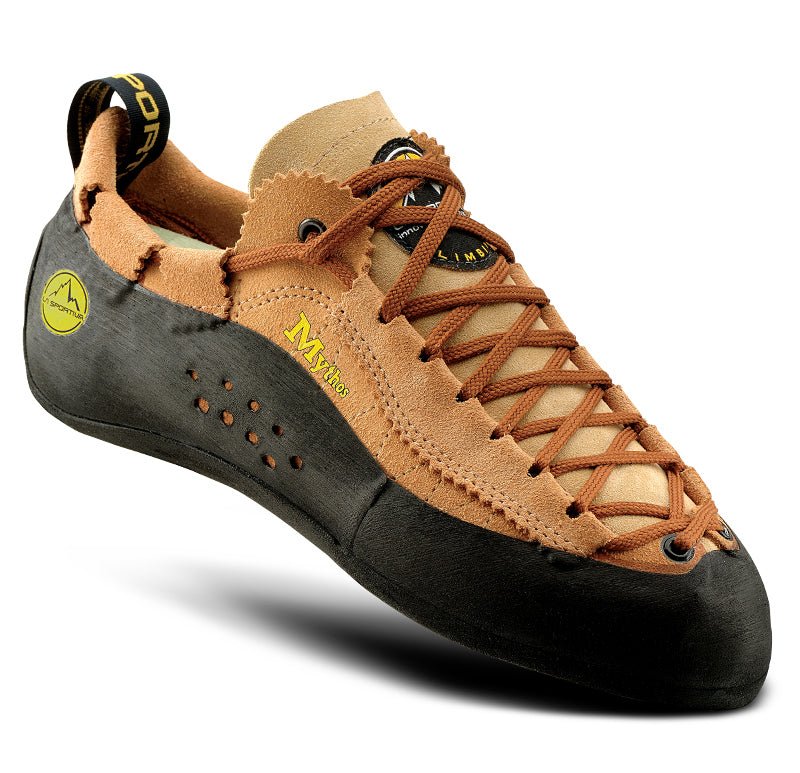
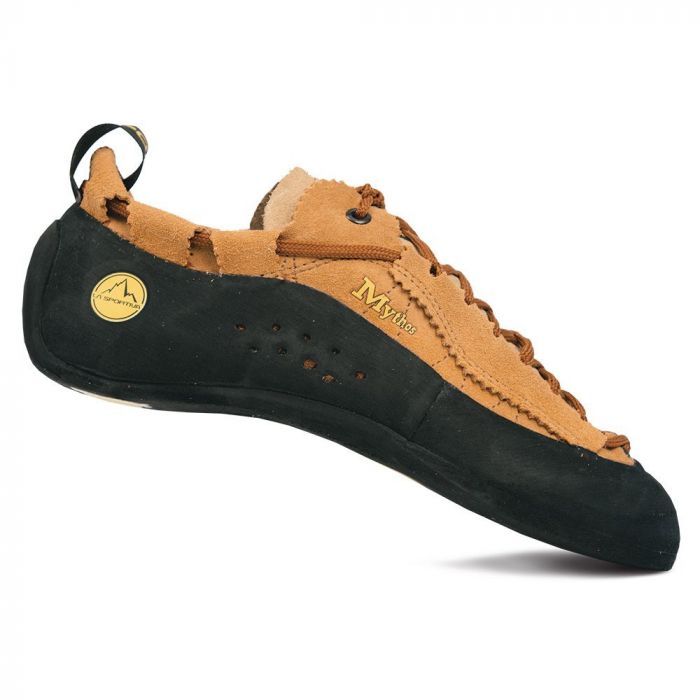
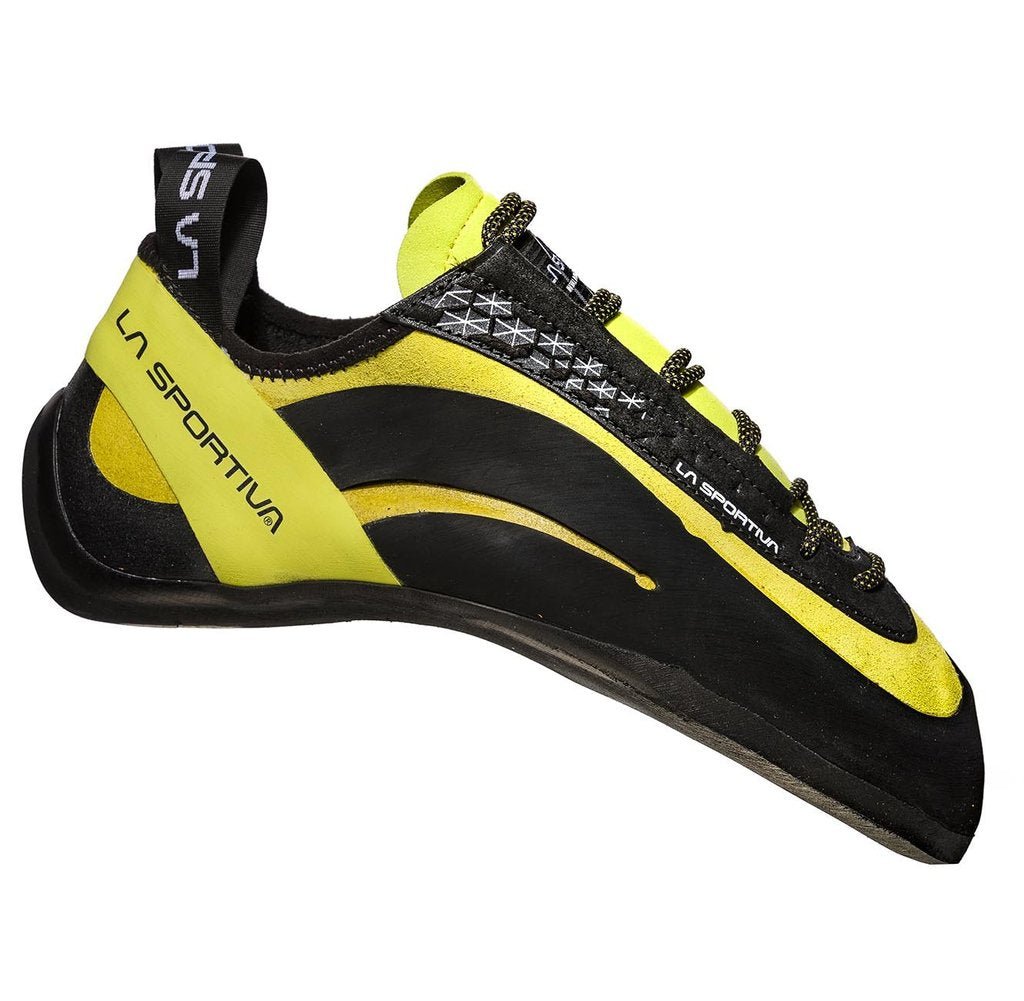
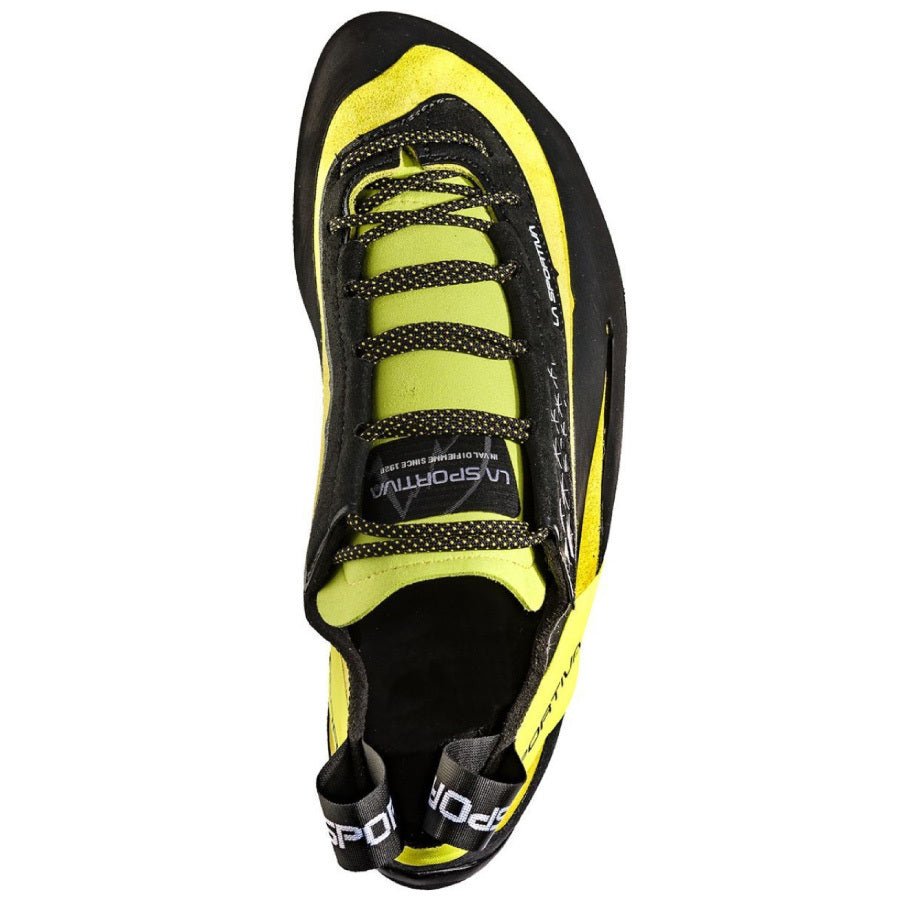
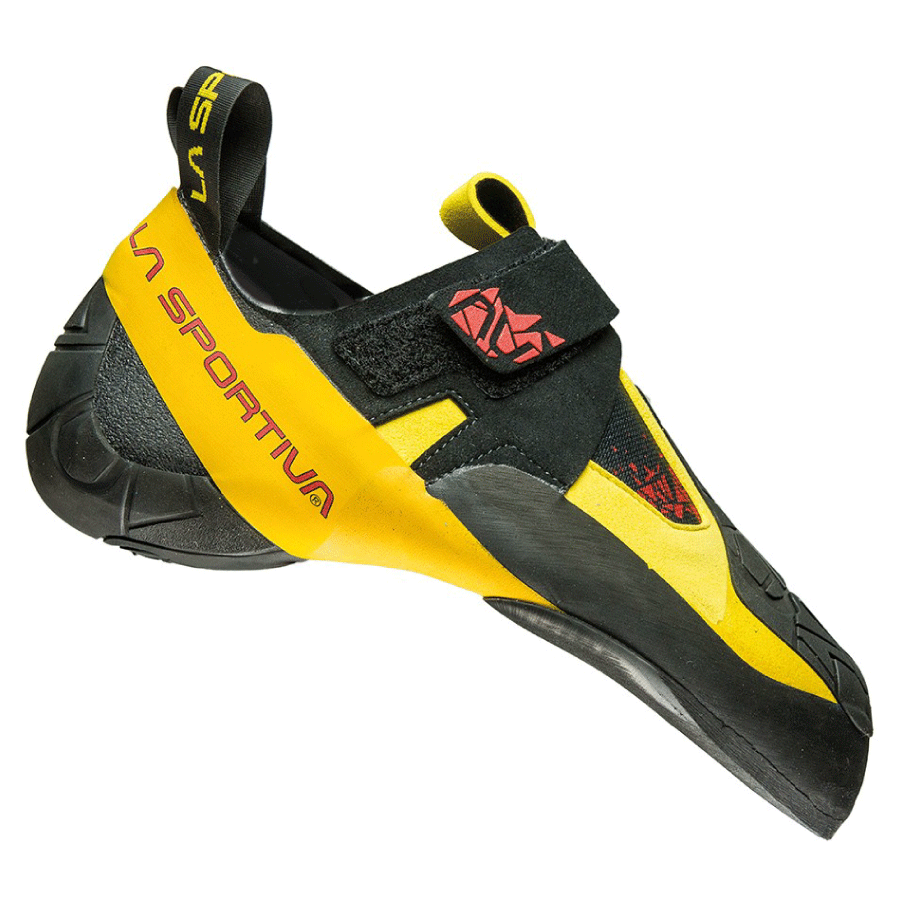
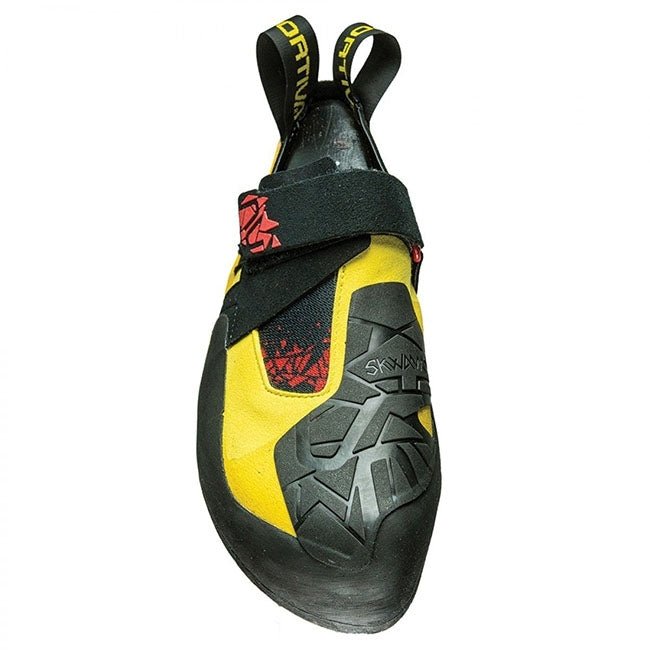
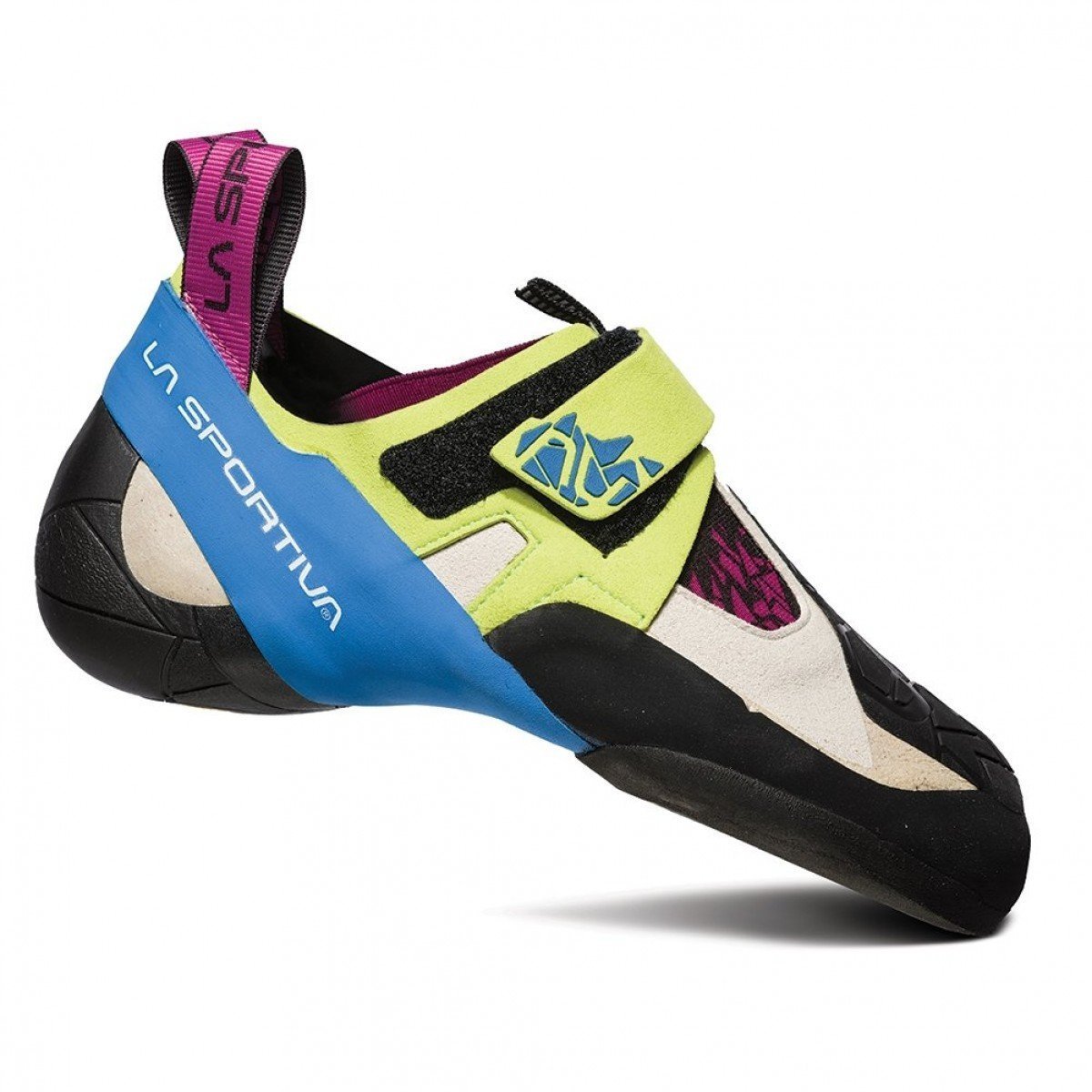
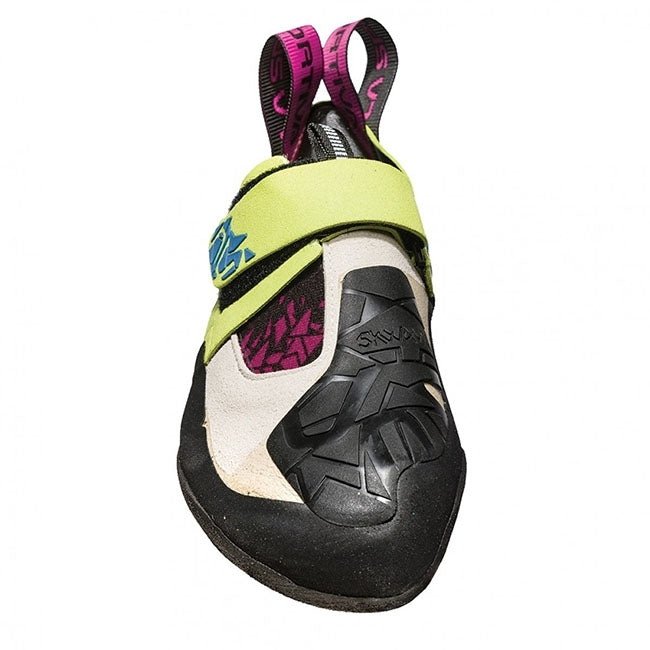
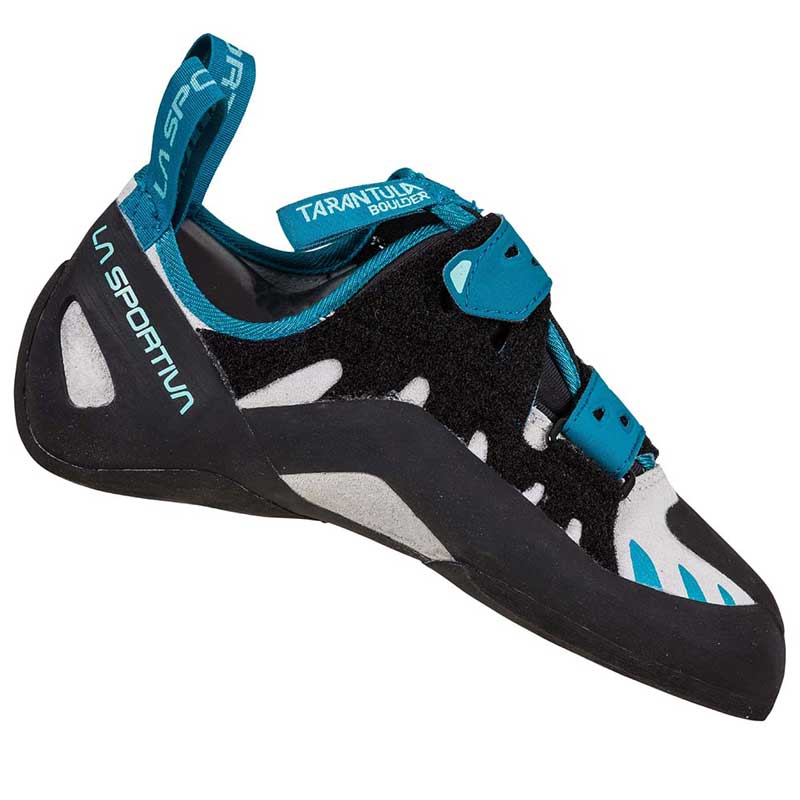
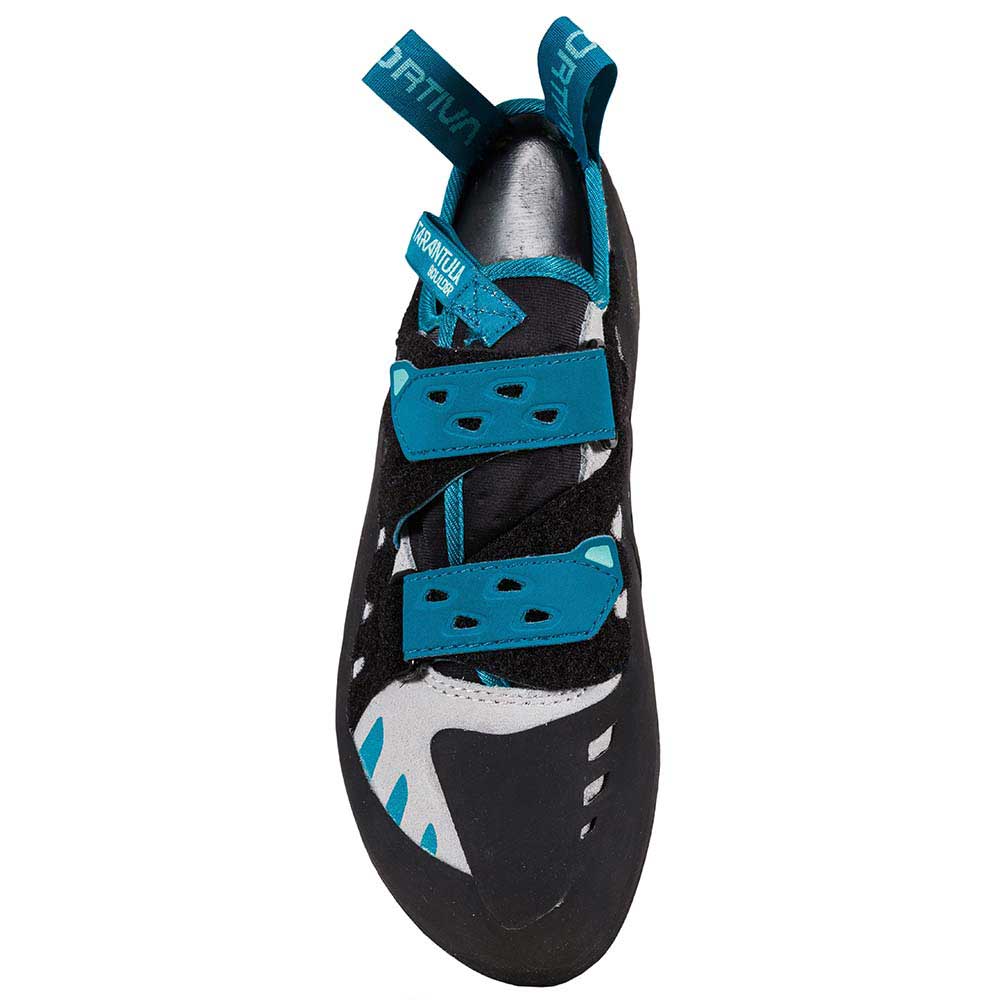
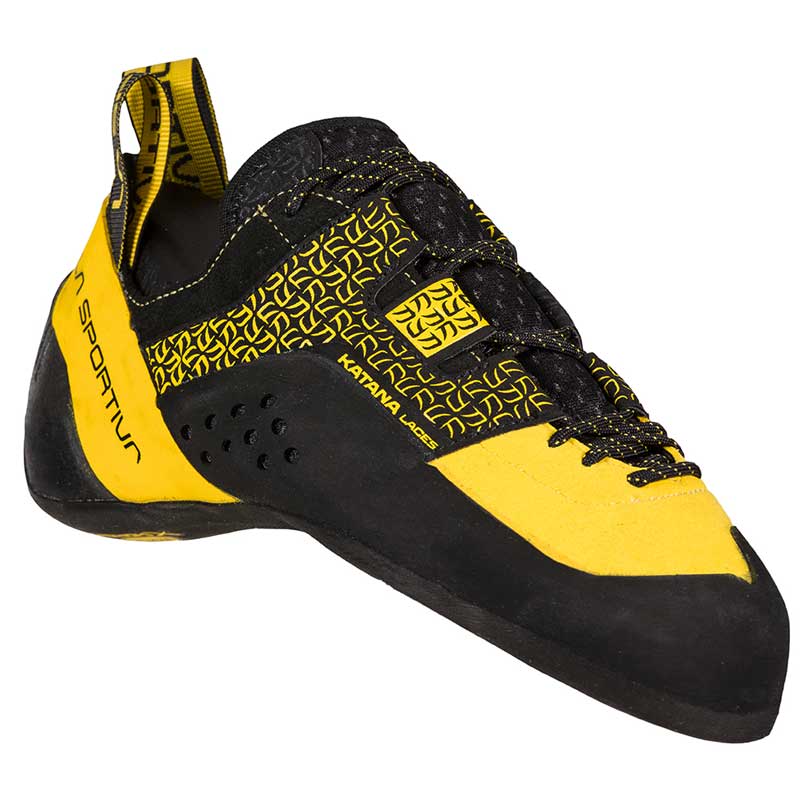
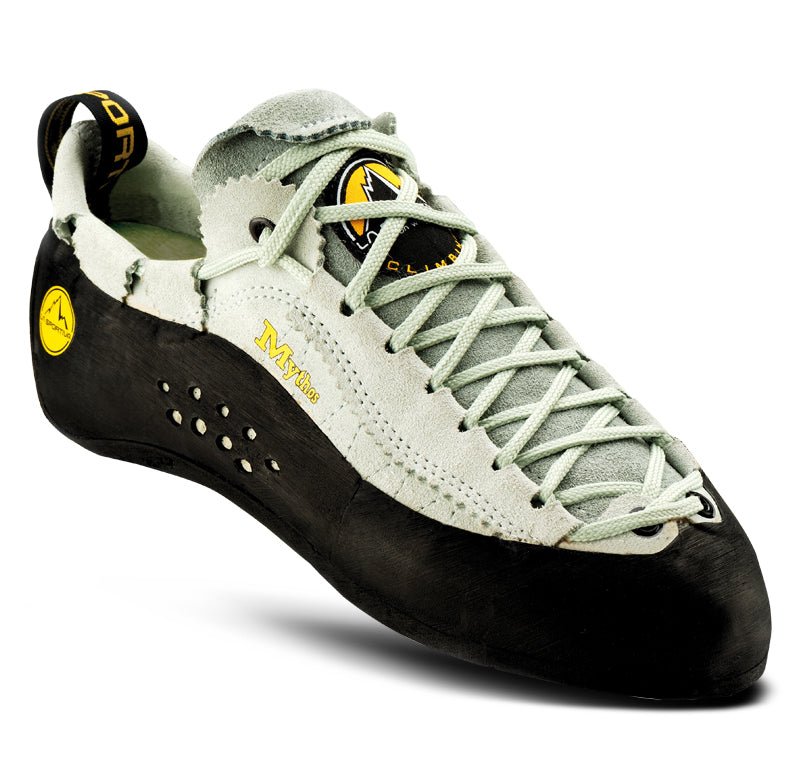
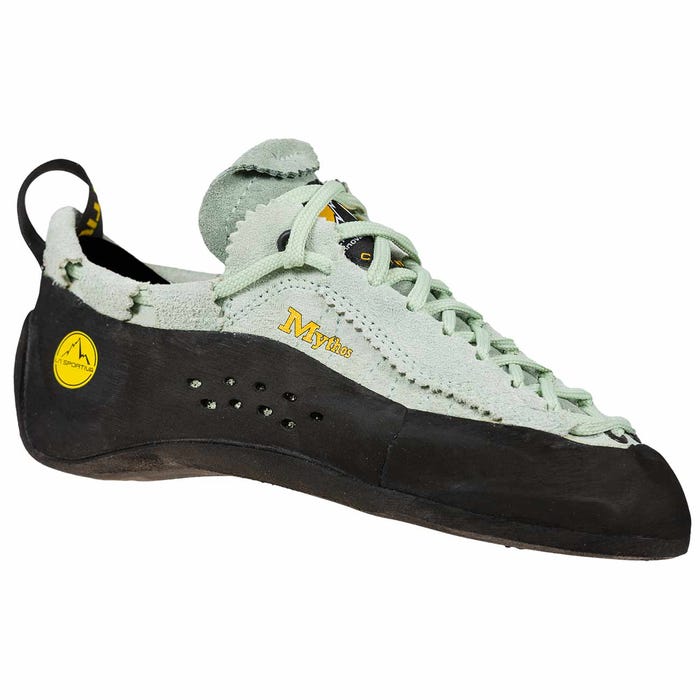
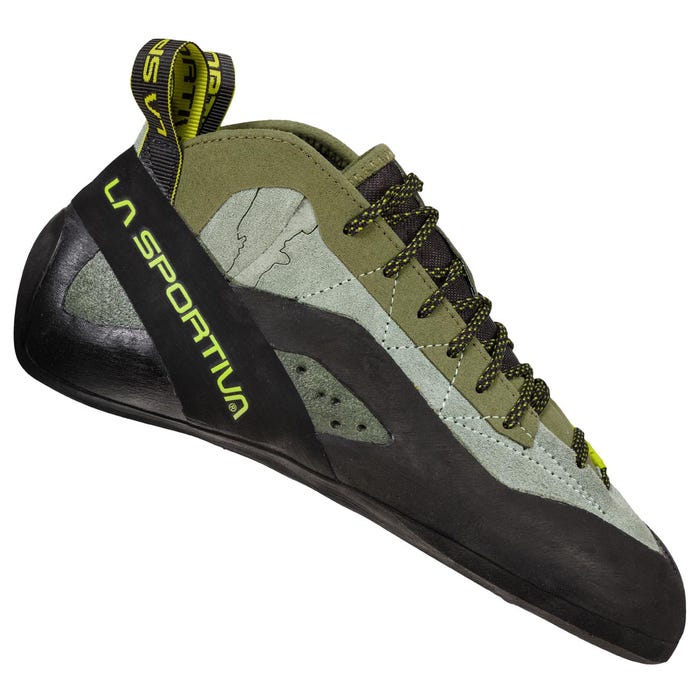
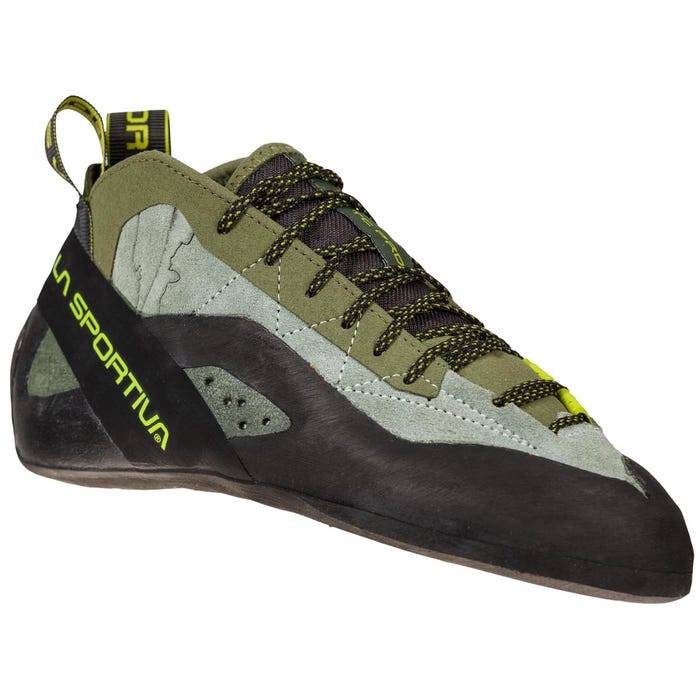
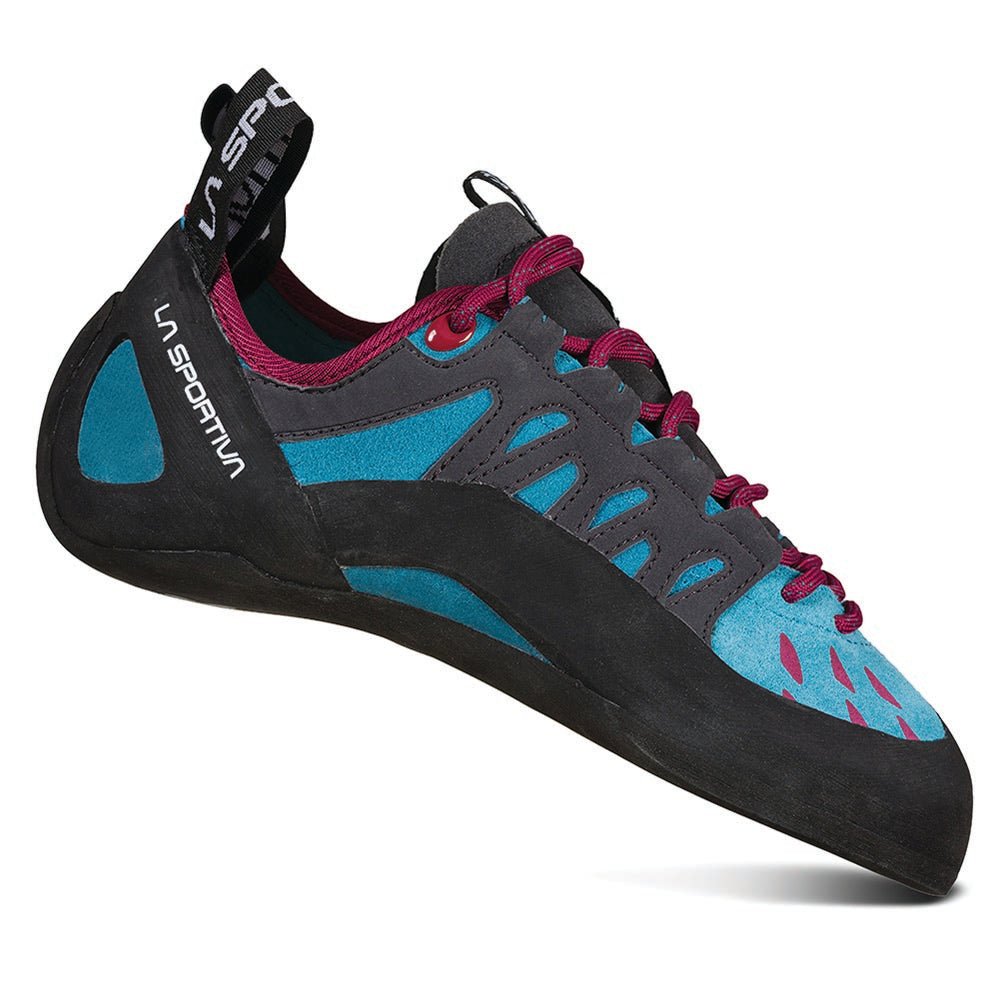
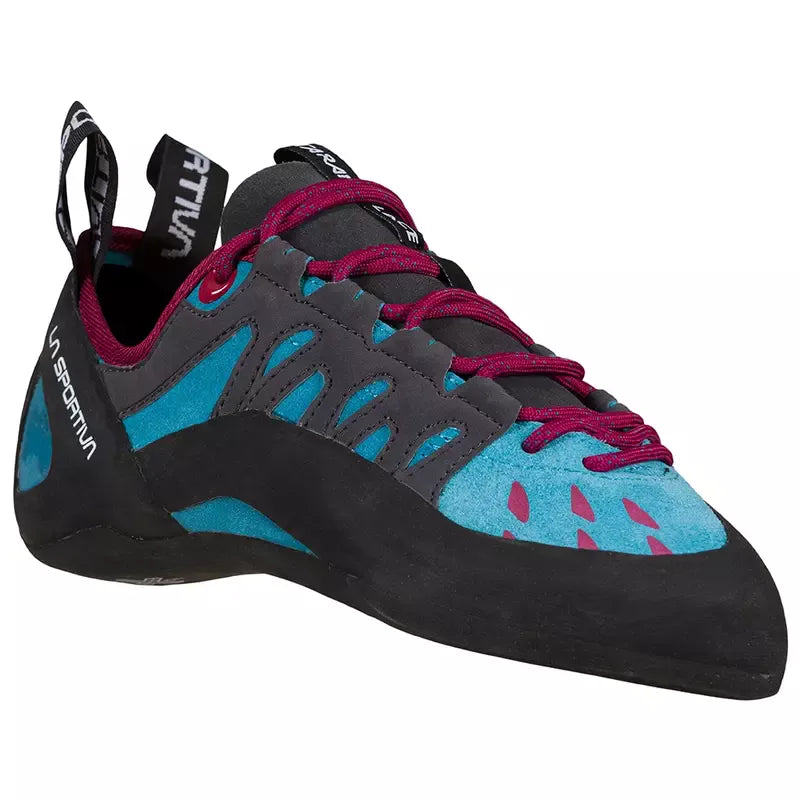
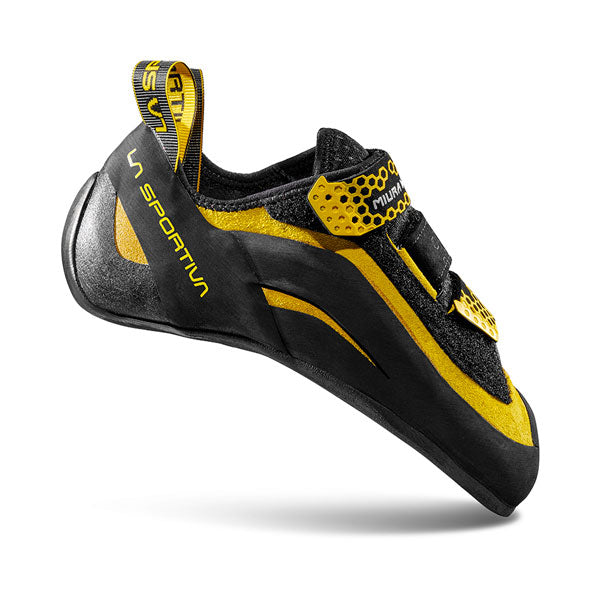
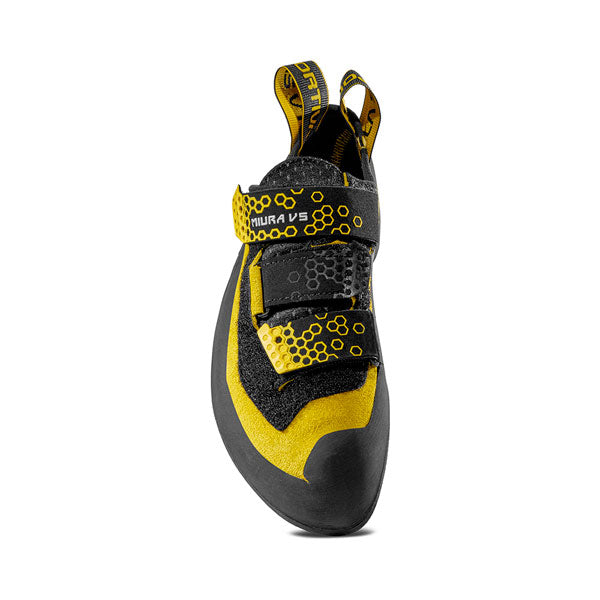
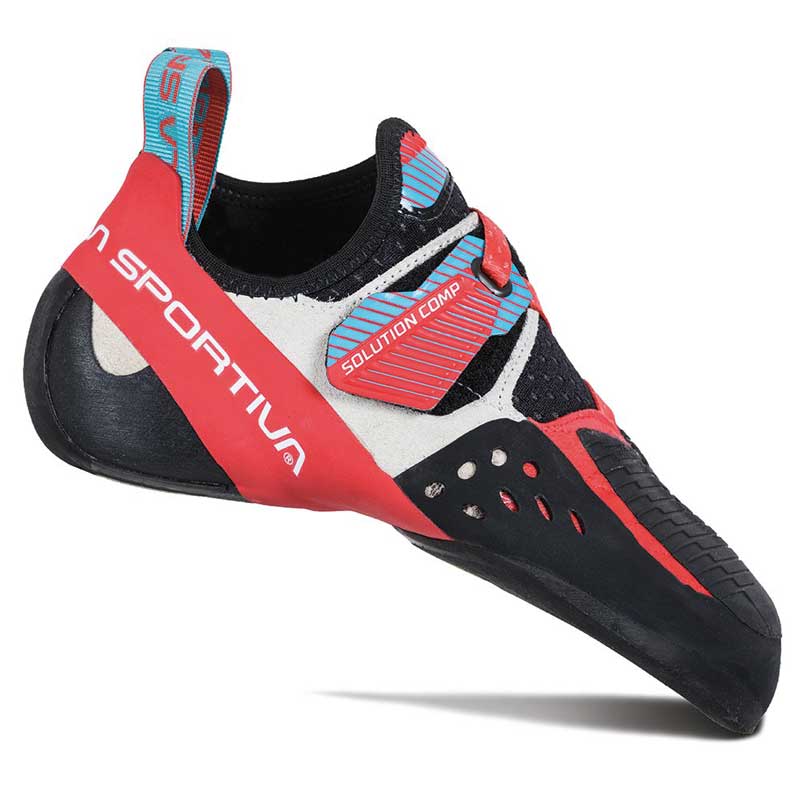
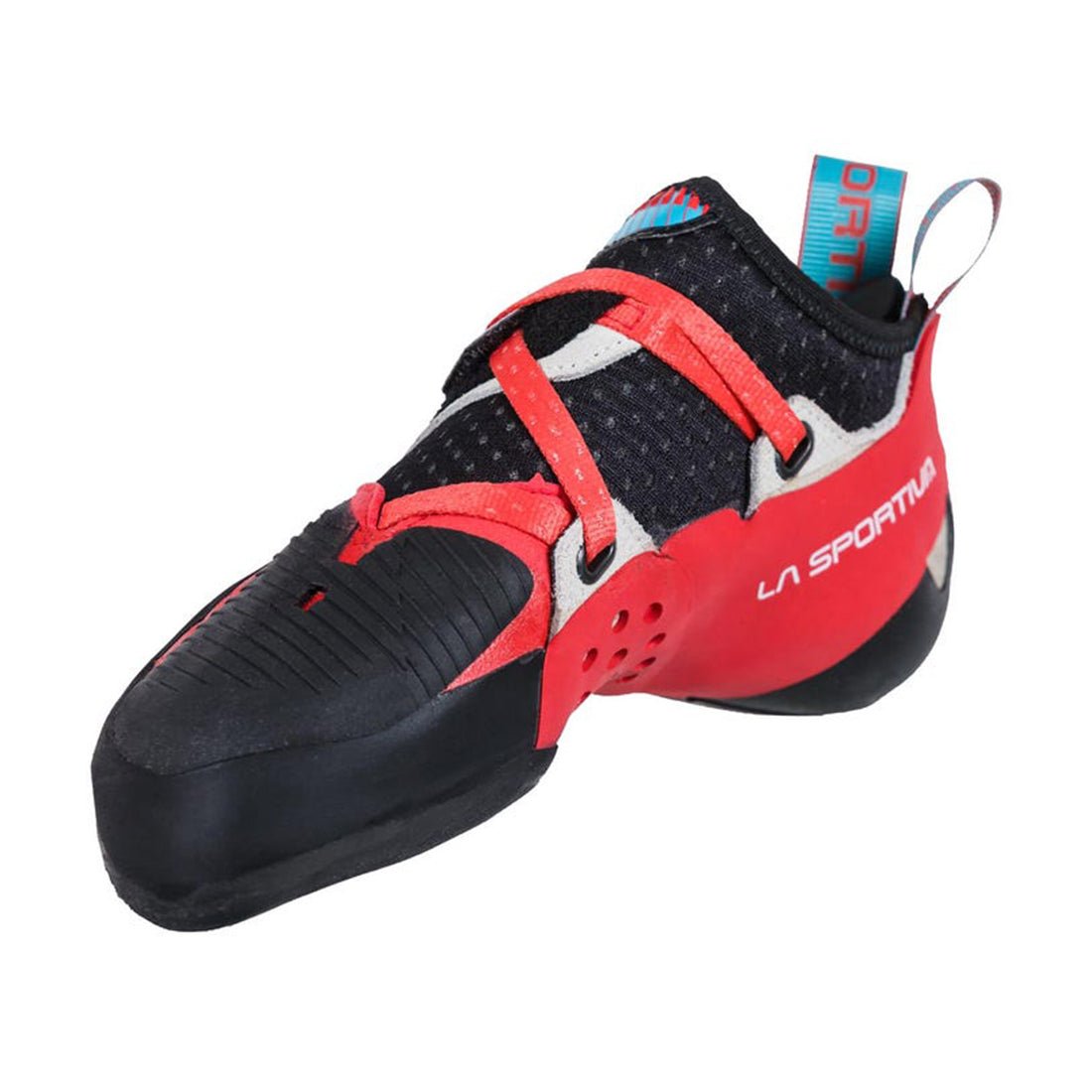
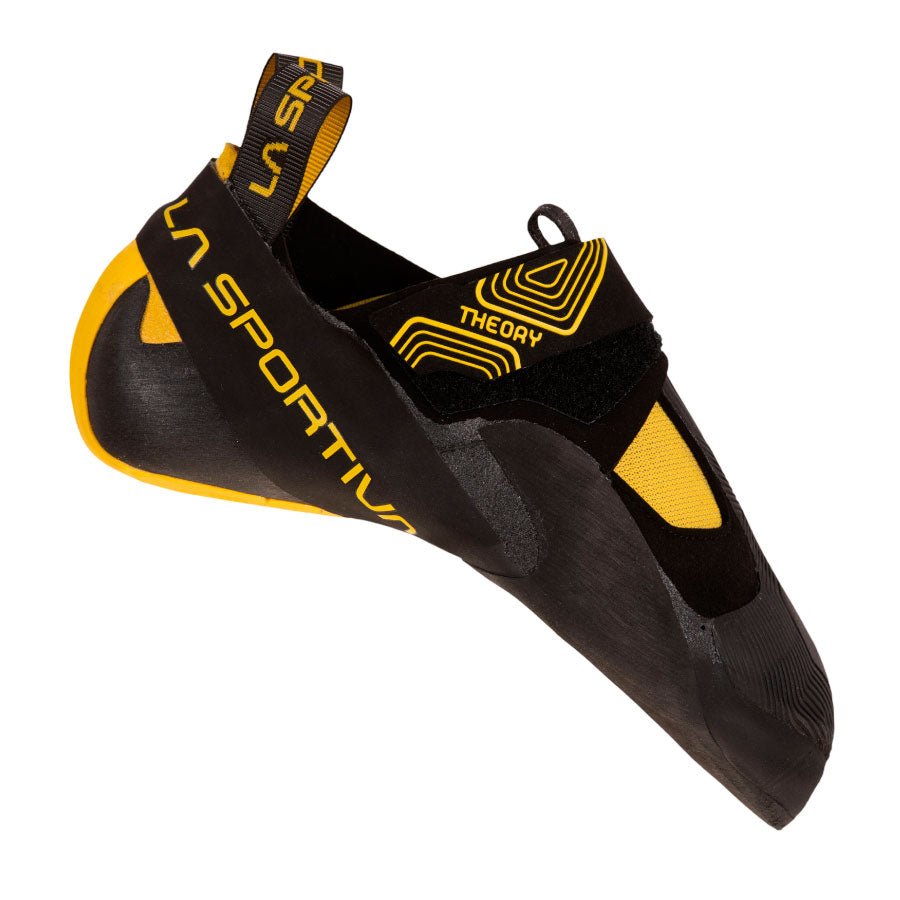
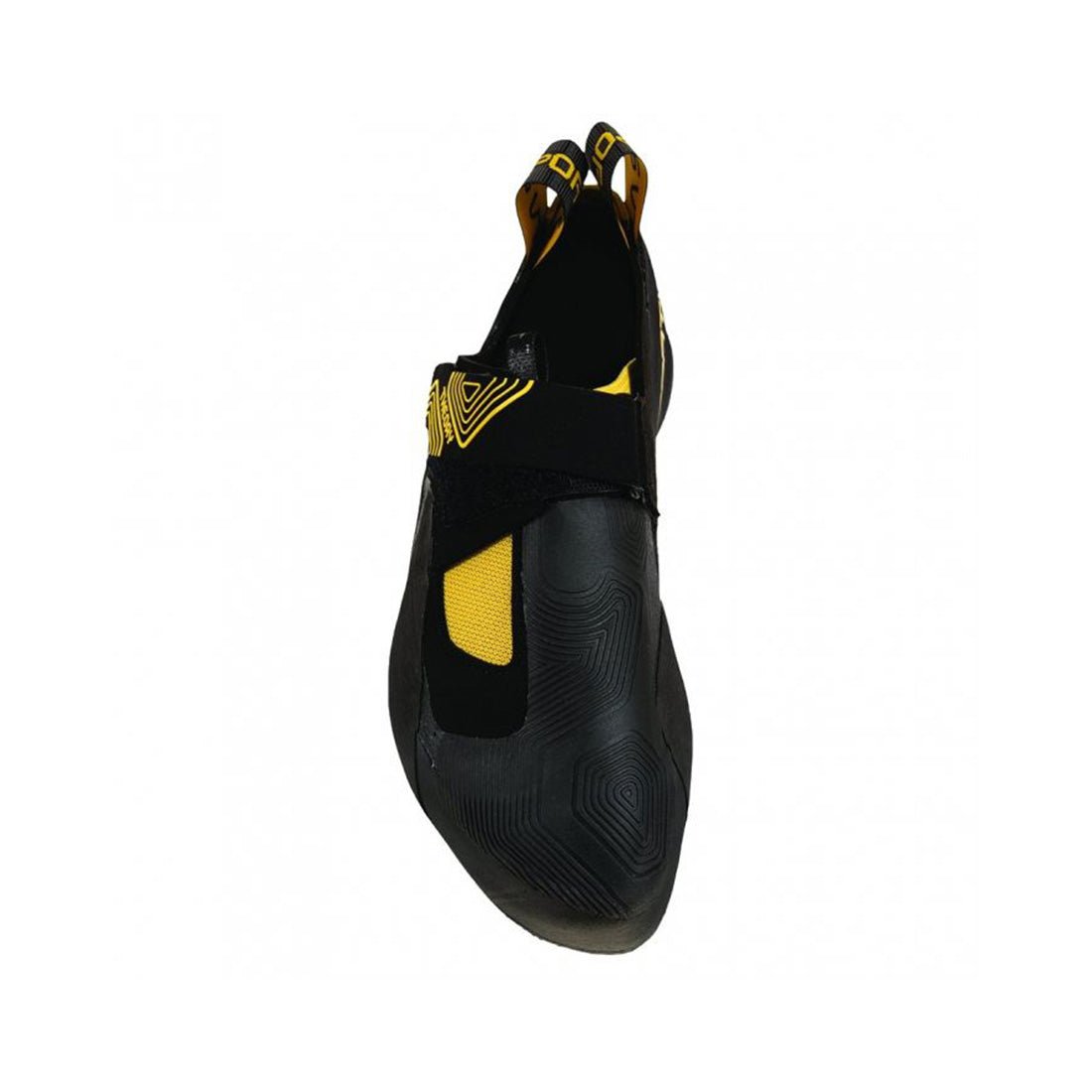
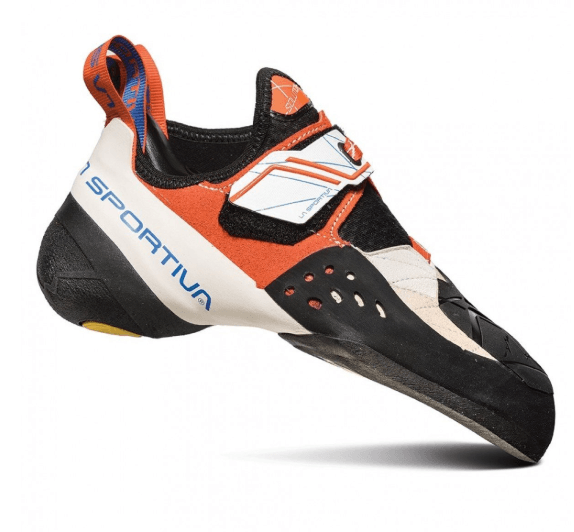
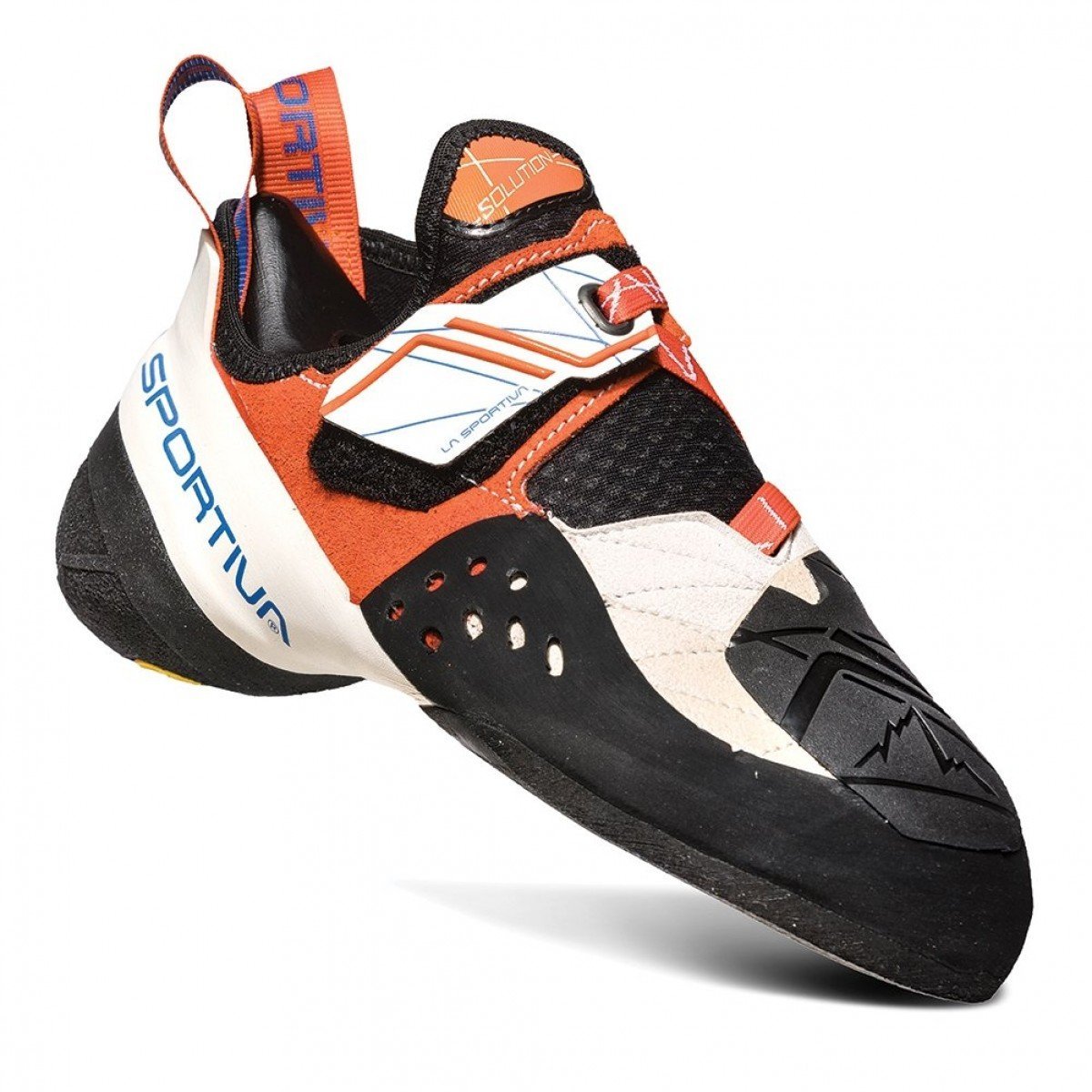
La Sportiva Climbing Shoe Fit (Reference Sizing: European)
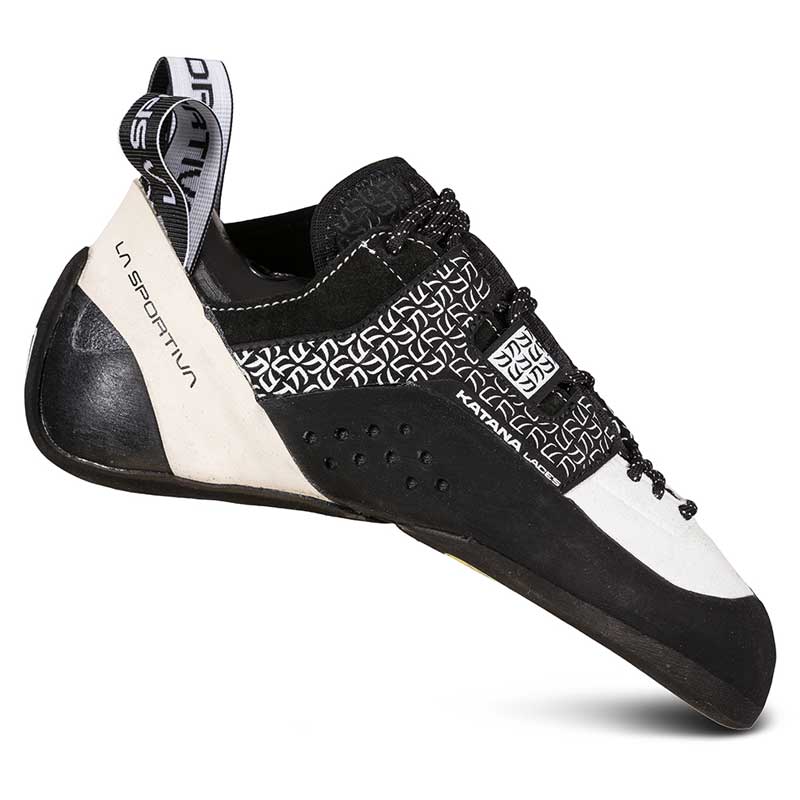
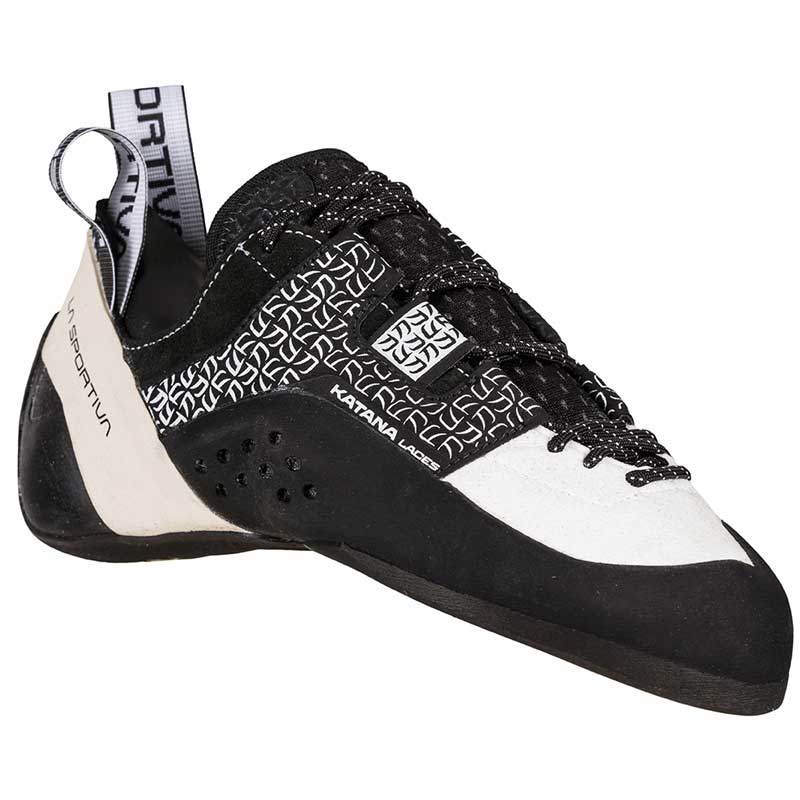
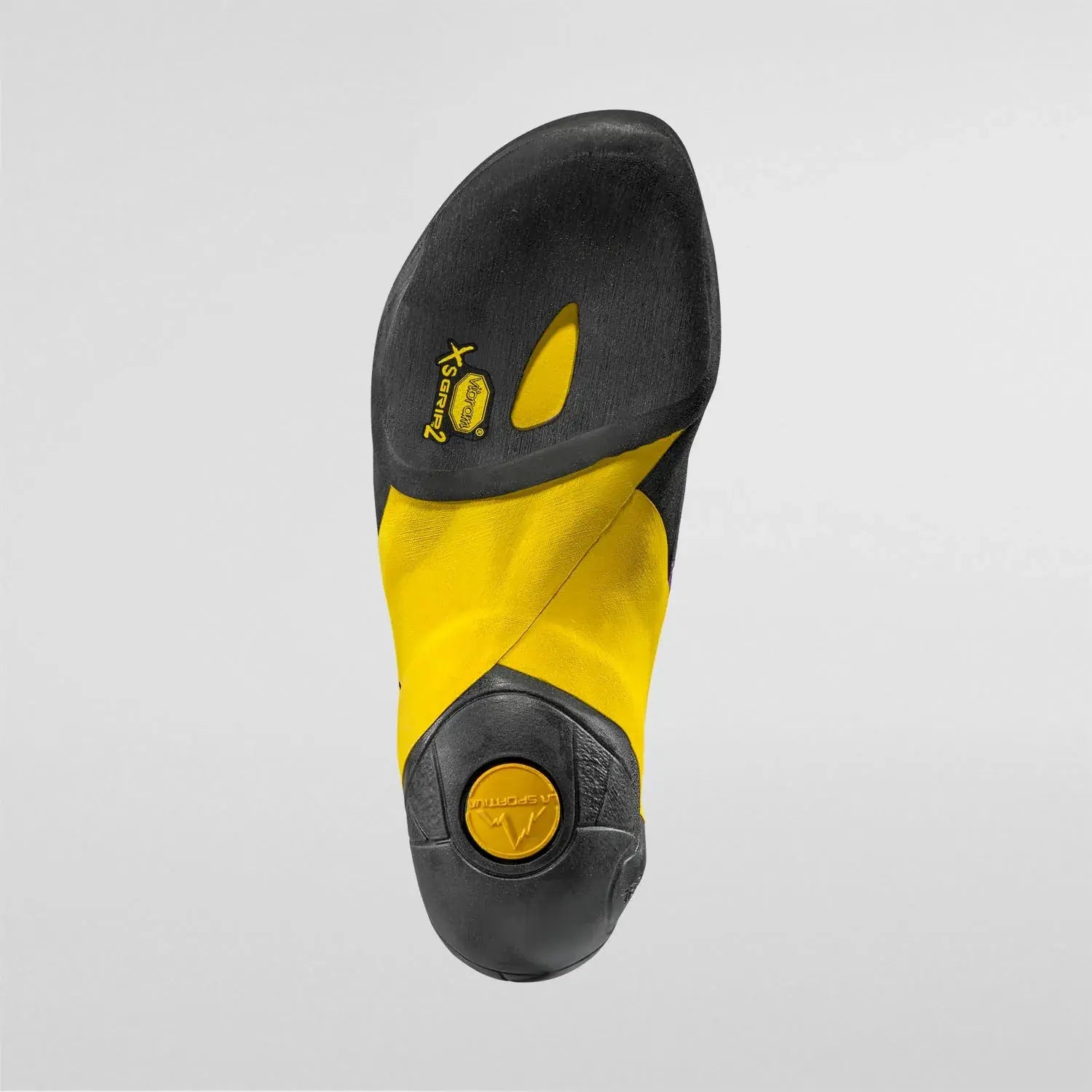
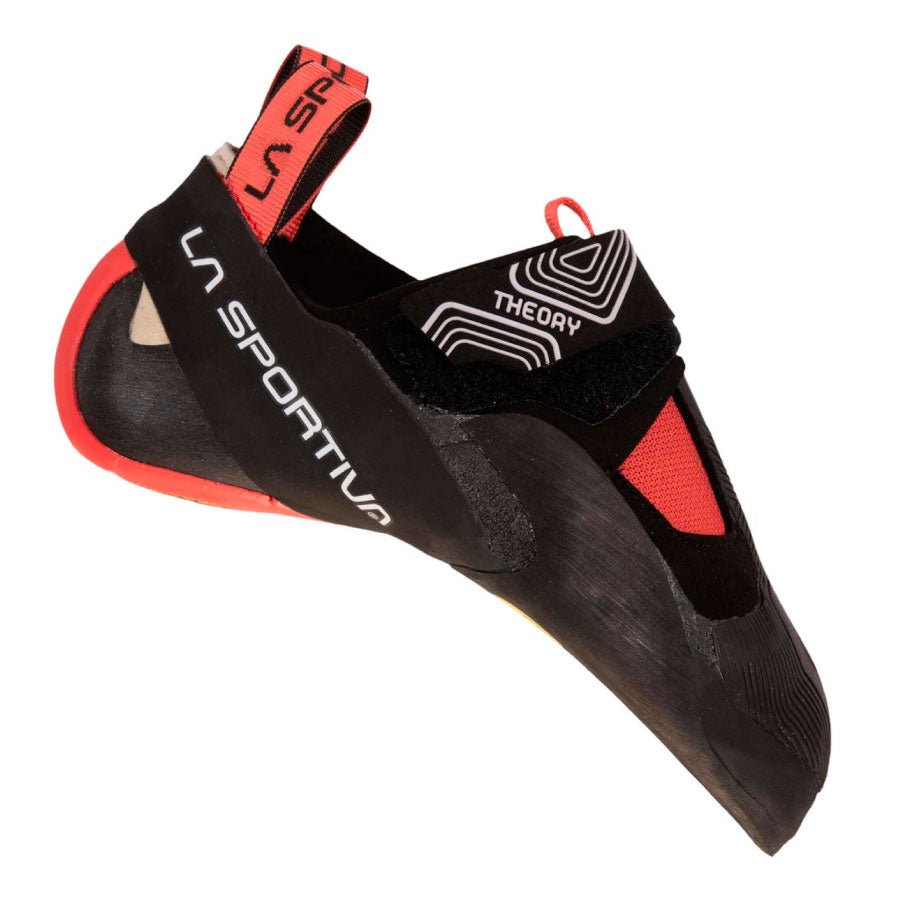
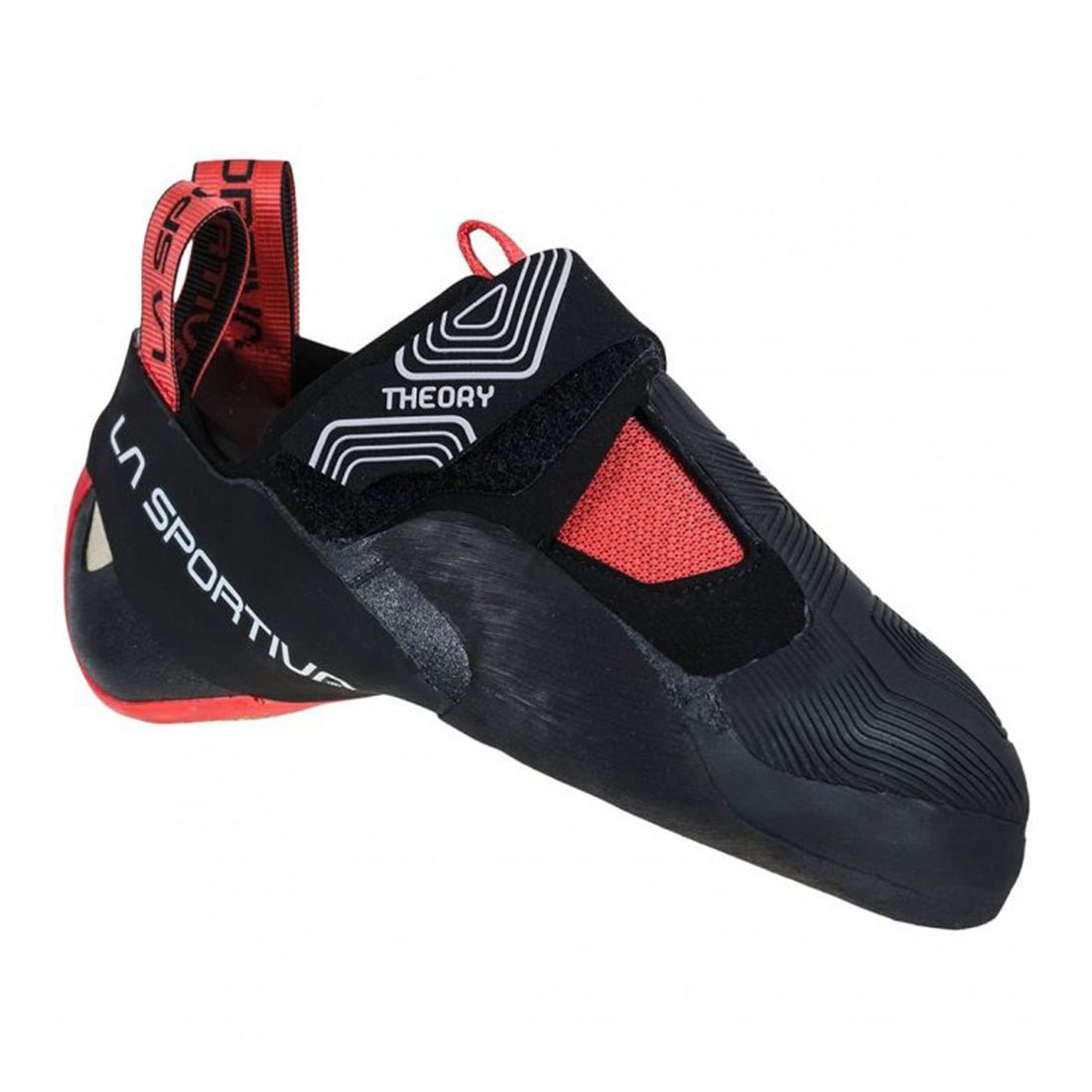
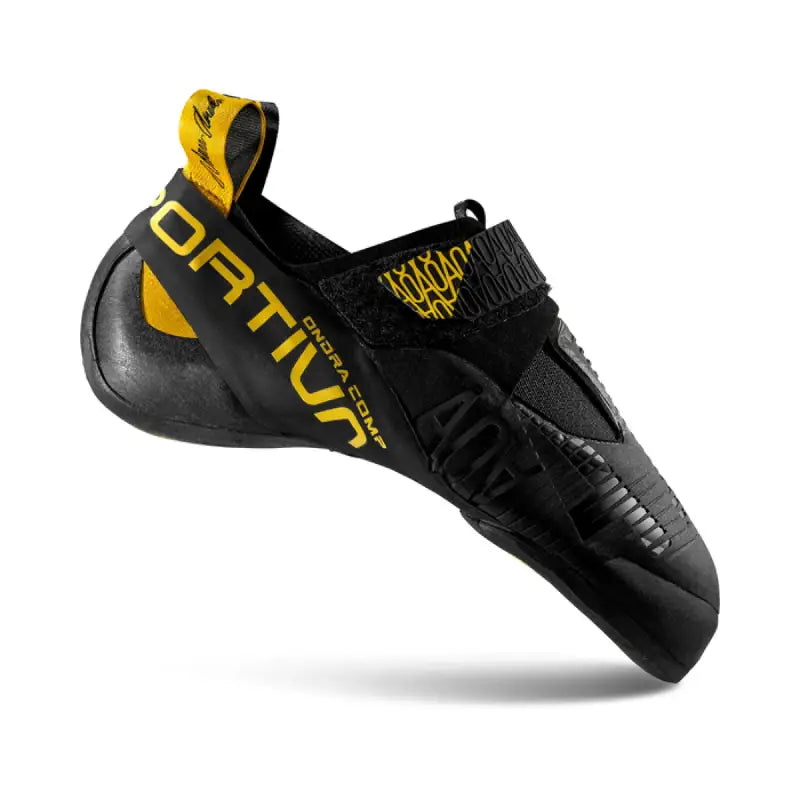
La Sportiva shoes are known for their performance-focused fit and usually feel tighter than everyday footwear. In most cases, you’ll need to size down from your street shoes, especially for technical or aggressive models.
Our general guide:
- For a performance fit, go 1–2 EU sizes down.
- For a more comfortable all-round fit, go around 1 EU size down.
Softer models work best with a closer fit, while stiffer shoes should still feel secure without painful pressure. Unlined leather models tend to stretch more over time than lined or synthetic shoes, which is worth keeping in mind when choosing your size.
Scarpa Climbing Shoe Fit (Reference Sizing: European)
Scarpa sizing is usually consistent and easy to work with, making them a great option if you’re after a reliable fit.
In most cases:
- For performance, go ½ to 1 EU size down.
- For comfort, stay close to your regular size.
If you’re switching between brands, Scarpa climbing shoe fit is usually ½ to 1 size larger than equivalent La Sportiva models, so you’ll often need to size slightly smaller when moving across.
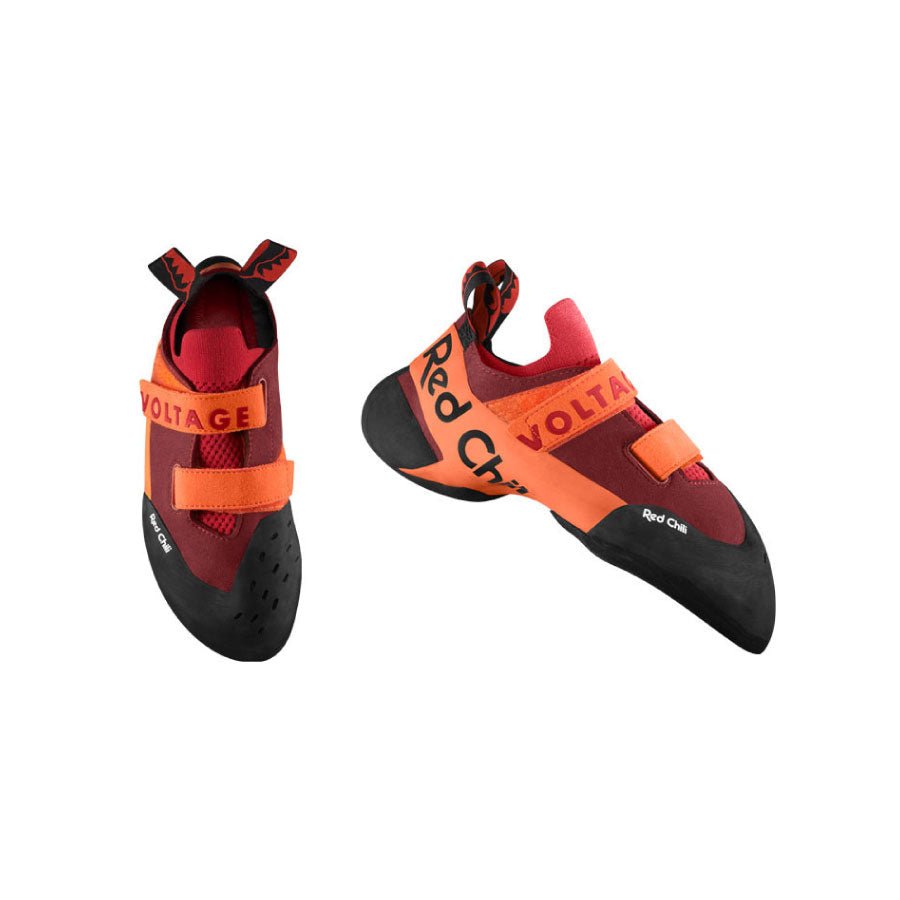
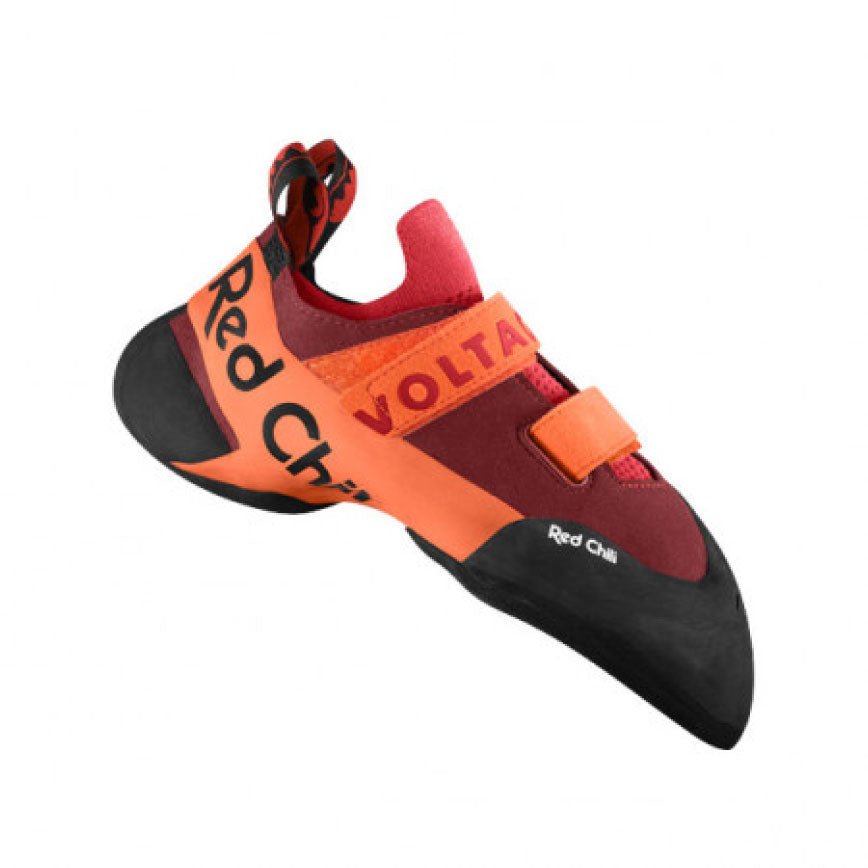
Red Chili Climbing Shoe Fit (Reference Sizing: UK)
Red Chili shoes are designed with comfort in mind and generally line up well with street sizing.
Our recommendation:
- For beginner-friendly and comfort models, stick close to your street size.
- For performance models, go ½ to 1 UK size down.
From our experience, the Circuit II model tend to fit a little larger, so you’ll usually be better going an extra ½ size down compared to the rest of the range.
So iLL Climbing Shoe Fit (Reference Sizing: US)
So iLL sizing is straightforward and easy to follow, especially if you’re new to the brand.
We usually recommend:
- Beginner to Intermediate: Go 1 US size up for comfort.
- Advanced: Stay at your regular US size for a snug, performance fit.
A close fit is important here, as too much space can cause heel lift and reduced control. Most models will also soften and mould to your feet after a few sessions.
Tenaya Climbing Shoe Fit (Reference Sizing: UK)
Tenaya shoes are designed to balance comfort and performance, giving you a precise feel without unnecessary pain.
The best approach is:
- Choose the largest size that still lightly flexes your toes for comfort.
- Go about ½ size smaller for a tighter, more technical fit.
In practice, we usually suggest:
- 1 UK size down for comfort.
- 1.5 UK sizes down for a performance fit.
This gives you great sensitivity while still staying wearable for longer sessions.
Evolv Climbing Shoe Fit (Reference Sizing: US)
With Evolv, it works best to start from your street shoe size and adjust based on how snug you want the fit to be.
Our general guide:
- Beginner: Around 2 US sizes up for comfort and longer wear.
- Intermediate: About 1 US size up for a balanced fit.
- Advanced: Street shoe size for maximum precision and sensitivity.
Many Evolv models also come in different volumes, which helps you fine-tune the fit for narrower or lower-volume feet.
Final Fitting Tip
If you’re deciding between two sizes, think about how and where you’ll use your shoes most. Tighter fits suit short, powerful sessions and steep climbing, while slightly more relaxed fits are better for longer routes, gym sessions, and all-day comfort.
When in doubt, trying shoes on and getting expert advice is still the best way to find the right fit for your feet and your climbing style. And if you’re ordering online, our First Free Shoe Exchange policy means you can swap your first pair for another size without paying return shipping, so you can find the right fit with confidence, even if you don’t get it perfect the first time.
If you would like to learn more in detail, read our blog post, 5 Things You Need to Know Before Buying Your Next Pair of Climbing Shoes.