

Board Climbing Around Brisbane
I tested several of the system boards around Brisbane – here's what you need to know.
What is board climbing?
Board climbing is a style of climbing primarily designed for training, but which has been increasing in popularity in recent years as a style in its own right. Typically, boards are around 12 feet high (3.6m) and between 8 feet (2.4m) and 12 feet wide. They’re overhung – either set at a specific angle (commonly 40°) or with an adjustable mechanism to allow for different angles.
The walls feature a consistent set of holds and configuration with an accompanying mobile app and lights indicating which holds are used for each problem. It’s essentially a spray wall which allows you to set an angle, choose a problem and complete the same problem on any board of that type anywhere in the world.
Why try board climbing?
For starters, it’s incredibly fun. But beyond that, board climbing is a great way to climb and train independently and to track clear progression across grades, something that can be challenging in a gym due to different colour grading systems and setting teams.
It’s an extremely effective training tool for increasing strength, maintaining body tension and improving footwork. You’re also able to train specific movement patterns, grips and types of moves. Some boards, like the Decoy and Tension Board also feature a mirrored layout, allowing you to switch the direction of problems and train both sides of your body evenly.
There’s a bunch of boards on the market now which have different styles, holds and textures. When you try a new board, there’s usually a bit of an adjustment period where problems feel harder, but it only takes a few sessions to get used to the style and find some flow.
A breakdown of the boards you can climb on around Brisbane
Brisbane climbing gyms now have all the main system boards covered. Over the past few weeks, I’ve been visiting some of them to gather more intel about the different styles and what each board is best suited to.
Here is an outline of the boards reviewed in this blog.
Table of Contents:
A breakdown of the boards you can climb on around Brisbane
Brisbane climbing gyms now have all the main system boards covered. Over the past few weeks, I’ve been visiting some of them to gather more intel about the different styles and what each board is best suited to.
Here is an outline of the boards reviewed in this blog.
Table of Contents:
2019 MoonBoard
Location: Rock Sports, Fortitude Valley
Angle: 40°
Size: 8ft x 12ft
About the MoonBoard:
The MoonBoard, developed by UK climbing legend Ben Moon, was the first commercialised, system board and is still known as the hardest with a high barrier to entry starting at ‘benchmark’ V3 or V4, depending on the hold set.
The MoonBoard is known for being steep, sandbagged and power-focused, aligning well with the traditional UK strongman climber. The angle is fixed at either 25° or 40°, and the holds are designed for steep climbing at a high intensity. For the most part, you’ll see them at 40°, which is where the majority of climbs are set. The one at Rock Sports is set at 40°.
Every 6 months or so, Rock Sports switches the MoonBoard between the 2019 and the 2024 hold sets. As of May 2026, it’s on 2019, but that will be changing soon.

Given it’s been around the longest, the MoonBoard has a huge community, and the 2019 configuration currently at Rock Sports has over 50,000 problems on a mix of wood and plastic holds. It also features ‘benchmarks’ which are a curated selection of high-quality problems officially vetted by Moon Climbing moderators to help standardise the difficulty of each grade.
The MoonBoard is definitely a board for more experienced climbers and those keen to train for the outdoors. The style takes a bit of getting used to, but once you get to know the holds, body positions, and focused tension required, you’ll find you start improving quickly.
Best for:
- Applicability to outdoor climbing
- Preparing your skin and fingers for outdoor crimpers
- Improving finger and contact strength
- Training full crimps and four finger drags
Not so good for:
- Beginners
- Being able to see which hold to use
Decoy Board
Location: 9 Degrees, Enoggera
Angle: 30°
Size: 12ft x 12ft
About the Decoy Board:
The Decoy Board is a less well-known and less common system board, featuring intricate holds designed to be ergonomic and work at every angle. The hold shapes feature more variety than some of the other boards, and many of them are dual-tex, which can be useful for competition climbers to train on.

The variety and shape of holds also means there’s lots of different ways to use them, so you’ll often find yourself working skills beyond finger strength – such as heel hooks, toe hooks, mobility and the ability to move through uncomfortable positions.
The configuration at Enoggera, fixed at 30°, has around 7,700 climbs. The Decoy offers a mirrored, symmetrical configuration which means you can more easily pinpoint weaknesses in your technique and train both sides of your body equally.
Best for:
- Training across a variety of hold types and movement styles
- Identifying weaknesses and training equally across both sides
- Creating unique problems
Not so good for:
- Number of climbs and global community
Tension Board 1
Location: Rock Sports, Fortitude Valley
Angle: 20°
Size: 8ft x 12ft
About the TB1:
The TB1 features all wooden holds which are notoriously slippery, and many combine this with being slopey and/or small. It’s the ultimate tension training tool, requiring accurate footwork and high-effort contact strength. The lack of friction on the wood holds means you have to squeeze harder and concentrate more to stay on, but the trade-off is saving skin for longer sessions and of course, getting stronger.

The TB1 at Rock Sports is the home version, set at 20°. This means despite the challenges mentioned above, which are more significant at higher angles, the TB1 is one of the most accessible boards around Brisbane with good climbing at the lower grades. There’s plenty of fun problems to try – almost 10,000 – starting from V0 and going up into the teens.
It’s a great board for beginner climbers or those trying board climbing for the first time, nestled upstairs near the MoonBoard in an endearing, if somewhat dingy, boulder dungeon reminiscent of old-school board climbing. It’s a great spot for a group sesh but also benefits from low traffic. If you’re just starting out and want to know what board climbing is all about, definitely head here with a group of friends.
Best for:
- Beginners
- Training tiny crimps and slopers without destroying your skin
- Long sessions
- Quiet sessions
Not so good for:
- Longer problems
- Hardcore board climbers
Tension Board 2
Location: Urban Climb, Newstead
Angle: Adjustable
Size: 8ft x 12ft
About the TB2:
The TB2 is one of the more well-known boards and is home to the incredible Board Lords YouTube series (watch it if you haven’t) where the best climbers in the world go up against insanely hard boulders. Because the TB2 is designed to be adjustable, the holds are supposed to work ergonomically at every angle but having climbed on the Newstead one a fair bit since it opened, I can’t imagine holding some of those crimps at 50°. Also, the slipperiness of the footholds at any angle is unmatched.

The TB2 has a mix of wood and plastic holds, and like the TB1, the wood holds are particularly smooth, which can be frustrating at times, but is kind on the skin.
At Newstead, the TB2 is set to the mirror configuration, similar to the Decoy Board, so you’re able to flip problems and train strength imbalances. It also has a circuit training feature where holds light up in sequence allowing you to build endurance as well as strength.
The TB2 is currently set at 45°, making it pretty challenging, especially at lower grades. In my experience anything from V1 to V3 can feel pretty similar with the weight fully on your arms. Having said that, the setup is adjustable, so I expect we’ll see it changing angles in the near future.
When set to a lower angle, the TB2 will be great for beginners, but until then, it’s probably the best board around for intermediate and more advanced climbers. It’s really good for training upper body strength, powerful dynamic moves, and moving through or generating from awkward positions. I haven’t been in the afternoon, which I suspect would get busy, but morning sessions are ideal for getting some volume done.
Best for:
- Improving body tension
- Maintaining skin
- Learning precise footwork
Not so good for:
- Afternoon sessions
- Footholds
Kilter Board
Location: 9 Degrees Morningside
Angle: 40° (adjustable)
Size: 12ft x 12ft
About the Kilter Board:
Globally, the Kilter Board is probably the most popular board. It has big, comfortable holds which are smooth and kind to the skin, and the style favours big, impressive-looking, dynamic moves and fast dead points. The climbing is flowy and fun, often getting harder through bigger moves rather than technicality, making it more forgiving for those just looking for a good time.

The Kilter is designed to be adjustable, and the holds are ergonomic at every angle. At 20 or 25 degrees, it’s probably the most approachable board for beginners because grades like V0 genuinely feel like the easiest boulders you’d find at the gym or the crag.
In my opinion, the lighting system is also the easiest to follow, with the light showing all the way around each hold meaning you can see which ones are lit up even from above.
The Kilter Board at Nine Degrees in Morningside is big – 12ft by 12ft – and is also adjustable with a little remote on the right-hand side. This makes it a great option for pretty much anyone, whether you’re trying board climbing for the first time or looking to do a harder training session.
Best for:
- Beginners or climbers rehabbing from injury
- Training big, dynamic moves on good holds
- Being able to see which hold to use
Not so good for:
- Training tension
- Improving footwork
What shoes work best for board climbing?
Climbing on a board almost always means climbing on an angle, so there’s less weight going through your feet, and you really have to think about the tension required to stay on each hold. With that in mind, sensitivity and softness are important factors when choosing shoes for board climbing. Below are some recommendations from the K2 team.

La Sportiva Theory
The Theory combines extreme sensitivity and aggressiveness, helping you maintain tension on small footholds, while still ensuring you can feel everything through the shoes. The softness of the rubber sticks well and allows for the fast and efficient foot swapping needed for higher grades. The Theory is a good choice for lighter climbers, where someone heavier might prefer a Solution.

La Sportiva Solution
Both the Solution and the Solution Comp are good options for board climbing, being slightly stiffer shoes than the Theory and with really pointed toes. The toe allows you to target weight on footholds, no matter the angle, and also makes precision foot-swapping easier. The regular Solution is also higher tensioned, giving you bounce for big dynamic moves and dead points common in board climbing, particularly on the Kilter Board.
La Sportiva Ondra Comp
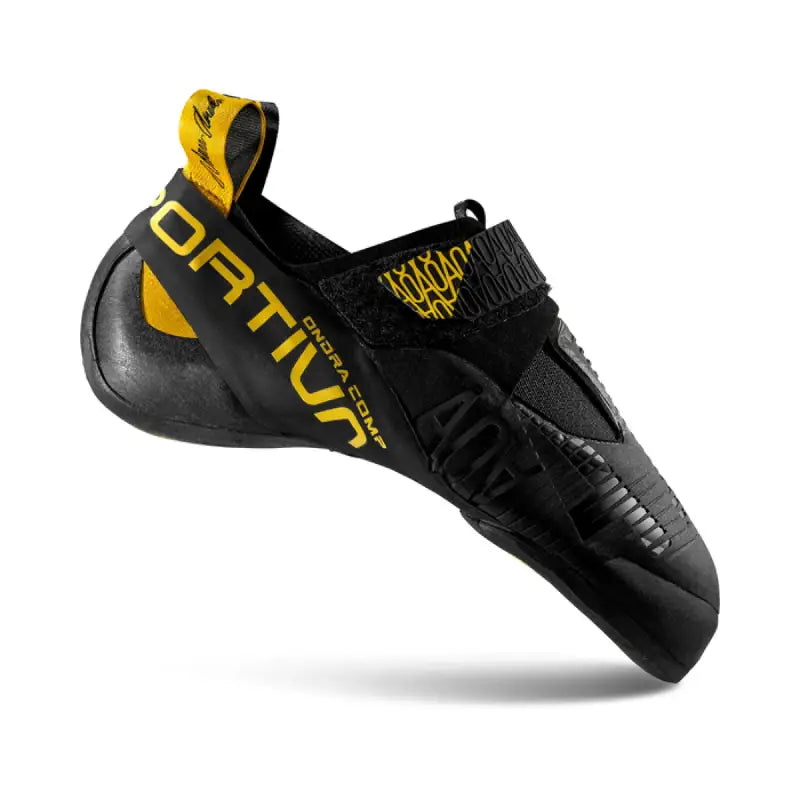
The Ondra Comp sits somewhere between the two above. It’s a hybrid of sensitivity and edging, both of which are beneficial for board climbing. These shoes have a horseshoe-shaped midsole which gives you stiffness and support on the edges but is hollow, and therefore softer, in the middle. They also feature a really small, tight heel, which can be useful at higher grades on boards like the TB2 and Decoy.

La Sportiva Skwama
In my opinion, the original Skwama is the best all-around climbing shoe, and that includes board climbing. The mid-stiffness makes them good for putting weight through small footholds, and the S-Heel allows you to lock in heel hooks at the higher grades.
If you want to learn more about board climbing, head down to the shop and chat with our friendly team.
Other boards to try around Southeast Queensland
- Wall Walkers, Capalaba - 2016 MoonBoard at 25°
- Crank Indoor Climbing, Macgregor – Kilter Board
- 9 Degrees, Enoggera – 2016 MoonBoard at 40°
- Alpine, Currumbin – Kilter Board 50°, Tension Board 2 30°
- Cutloose Indoor Climbing, Upper Coomera – 2024 MoonBoard, Kilter Board 40°
- Boulder Lounge, Gympie – 2024 MoonBoard
- Boulder Heads, Sunshine Coast – 2024 MoonBoard 40°, Tension Board 2 25°
- Flow Bouldering Gym – Kilter Board
If we’ve missed a board at your gym, let us know!