
How to clean your climbing shoes: A guide to removing dirt and odours and extending your shoes’ longevity
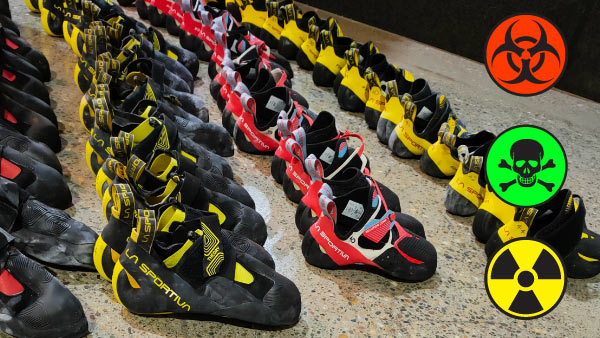
Whether you’ve just graduated from gym shoes to buying your own, or you’ve been an avid climber for years, you’re bound to be familiar with the toxic smell of a post-session pair of climbing shoes. The trade-off for coveted sensitivity and grip is breeze-proof leather and rubber wrapped around bare skin.
Summer in Southeast Queensland further exacerbates the smell, particularly with shoes left in a cupboard or hot car.
Here is an outline of the content in this review.
Table of Contents:
While there are deodorisers which can help reduce day-to-day odour and moisture, cleaning your shoes regularly is important to remove dirt and other build up, and make them last longer.
If you’re a rock climber, boulderer, lead climber, sport climber or trad climber – listen up!
In this guide we’ll dive into how to effectively clean your climbing shoes, while retaining their shape and structural integrity and preserving your shoes’ rubber, upper materials and adhesives.
Whether you’ve just graduated from gym shoes to buying your own, or you’ve been an avid climber for years, you’re bound to be familiar with the toxic smell of a post-session pair of climbing shoes. The trade-off for coveted sensitivity and grip is breeze-proof leather and rubber wrapped around bare skin.
Summer in Southeast Queensland further exacerbates the smell, particularly with shoes left in a cupboard or hot car.
Here is an outline of the content in this review.
Table of Contents:
While there are deodorisers which can help reduce day-to-day odour and moisture, cleaning your shoes regularly is important to remove dirt and other build up, and make them last longer.
If you’re a rock climber, boulderer, lead climber, sport climber or trad climber – listen up!
In this guide we’ll dive into how to effectively clean your climbing shoes, while retaining their shape and structural integrity and preserving your shoes’ rubber, upper materials and adhesives.
Pro Tip:
Climbing shoes with lots of leather in the upper are more prone to shrink and warp when wet. If you have climbing shoes which feature a lot of leather, avoid soaking and rinsing them and opt instead to brush them clean while dry and wipe them down with a damp cloth. Synthetic materials are safe to rinse.
What do you need to clean your climbing shoes?

Soft Bristled Brush or Toothbrush

Soft Bristled Brush or Toothbrush

Microfibre Cloth or Towel

Mild Detergent or Shoe-specific Wash (Optional)

Newspaper, Clean Rags or Paper Towel (Optional)
What is the process for cleaning climbing shoes?
Step 1: Air your shoes out
Place your climbing shoes in a well-ventilated space out of direct sunlight for at least an hour. If you’ve just finished your session, you should leave them for a full day or overnight before cleaning.
Airing your shoes out before storing them is best practice regardless of if you’re cleaning them or not. Allowing them to dry properly after each session will reduce odour and the risk of bacterial growth or mould.
Pro Tip:
Clip your shoes to the outside of your chalk bucket or backpack after your gym session or when you’re leaving the crag. This will help remind you to take them out of the car and air them out when you get home.
Step 2: Brush your climbing shoes to remove any loose dirt or dust
Start by knocking the soles of your shoes together to remove loose dirt and debris. Use a soft brush to gently scrub away dust, chalk and mud from the rubber and upper sections. This will prevent abrasive particles from causing unnecessary wear during the cleaning process.
Pro Tip:
Pay attention to the seams, laces and closures of your shoes as this is where dirt and debris can build up, causing extra wear and tear.
Step 3: Rinse & scrub your climbing shoes clean
Next, fill a bucket or sink with warm water and add a small amount of mild detergent or shoe-specific wash if you choose to use it. Use your brush to gently scrub the interior and exterior of your climbing shoes until you’re able to rinse them, and the water runs clear. Ensure the water you use isn’t too hot and avoid soaking your shoes for an extended period of time as excessive water exposure can affect fit and shape.
Step 4: Dry your climbing shoes
Once your shoes are looking fresh and smelling great (or at least better than before), it’s time to dry them out. Using a dry towel or microfibre cloth, wipe any excess water from the inside and outside of your shoes. Press down on the dense areas, particularly the inside, as this will help them dry faster.
Step 5: Stuff your climbing shoes to retain their shape
After thoroughly drying your climbing shoes, place newspaper, paper towel or a clean, dry rag into each of your shoes to help them retain their shape in the next drying stage. No one wants to lose that perfectly moulded feel.
Step 6: Air dry your shoes
Once towel-dried and stuffed, place your climbing shoes to air dry in a space with good ventilation and away from direct sunlight.
After a couple of hours, your climbing shoes should be dry and ready to hit the walls once more. If they’re still damp, but you’ve already lined up a buddy for the crag, you can use a hair dryer on a cool setting only and dry them from a distance.
Can you put climbing shoes in the washing machine?
Some climbing shoe manufacturers will specify if their climbing shoes are machine washable, however it’s important to know this will vary from shoe to shoe, depending on the materials used.
Using a machine wash, rubbing alcohol, extreme heat or hot water on the wrong shoes can break down shoe materials and the adhesive holding them together. To avoid any unnecessary risk to your prized, perfectly shaped, many-times-resoled send shoes, it’s best to stick to the gentler handwash method.
How often should you wash climbing shoes?
The answer to this question is twofold. First, it really depends on the type of climbing you do. If you’re climbing indoors, then you probably don't need to wash your shoes as often since they aren't always coming into contact with dirt and debris. However, if you're climbing outdoors either bouldering or sport climbing, unless you manage to keep your shoes entirely away from the dirt, then you will want to wash them more frequently.
The second consideration is the material of your shoes. If shoes are leather, then you don't want to regularly soak them as this can cause the leather to shrink and deform. Instead, you should hand wash by wiping them down with a damp cloth after climbing and let them air dry. With leather shoes, it’s best to reduce exposure to water, so cleaning less often is preferred.
As a general rule, you should only wash climbing shoes once every few months when they start to smell bad or look particularly dirty. Washing them too often can break down the material and shorten the lifespan of your shoes.
How do you get the odour out of climbing shoes?
There are a few different ways that you can de-smell your climbing shoes. One way is to sprinkle baking soda inside of them and let it sit overnight. You can also put them in the freezer for a few hours, which will kill the bacteria causing the smell.
Another option is to use a shoe deodoriser to neutralise the odour. We like to use Boot Bananas which are made from naturally absorbent salts, minerals and plant extracts which neutralise odours, absorb moisture and have natural anti-microbial properties.
Tips to keep climbing shoes fresh between cleans
If you want to prevent odours from developing in the first place, follow these simple habits:
- Remove shoes from your bag immediately after climbing
- Allow them to air dry fully away from direct sunlight
- Store in a ventilated gear bag
- Take your shoes off between attempts
- Wear clean feet or climbing socks if preferred
- Use a shoe deodoriser regularly
- Avoid leaving shoes in a hot car
Small habits can make a big difference in both hygiene and longevity.
Common mistakes to avoid when cleaning your climbing shoes
When cleaning climbing shoes, avoid these common errors:
- Using bleach or harsh chemicals
- Soaking shoes for long periods
- Drying shoes in direct heat
- Storing damp shoes in sealed bags
- Ignoring odours until they become severe
Proper care helps maintain both performance and comfort.
Knowing how to clean your grubby climbing shoes is an essential skill for every climber – and one your partners will thank you for when you arrive at the car after a long day. Investing 10 minutes every few months can save you money and keep your footwear fresh, comfortable, and ready for your next session.